
What You Need to Know About Ticks on Dogs in Canada

As the weather warms up across Canada, dog owners face an increasingly common concern: ticks on dogs. These tiny parasites pose significant health risks to our canine companions and can transmit serious diseases. Understanding how to prevent and treat ticks on dogs is essential for every Canadian pet owner, especially as climate change expands tick populations into previously unaffected regions.
Why Preventing Ticks on Dogs Is Necessary
Ticks on dogs aren’t just gross. They’re dangerous. In Canada, tick bites can lead to serious health issues—Lyme disease being one of the biggest risks. Other tick-borne infections include Anaplasmosis and Tularemia. These can cause fever, joint pain, and in rare cases, long-term damage if left untreated. Dogs who spend time in tall grass, bush tracks, or even local parks are at risk.
Tick season dogs are often harder to keep safe because ticks can latch on quickly and stay hidden for days. That’s why it’s important to check your dog daily and use proper tick prevention tools. Stopping ticks before they bite is always easier than treating problems after. Prevention not only protects your dog but also keeps ticks from getting into your home.
When Are Ticks on Dogs Most Active?
In Canada, ticks become active once temperatures stay above 4°C. That usually means early spring through late fall. However, milder winters in some areas are causing ticks to hang around longer. Tick season varies by region, but late spring and early summer are usually the worst.
Dog tick hotspots in Canada include:
- Trails with long grass
- Forested or shaded areas
- Bush-heavy parks
- Leaf piles and underbrush
Ticks wait on blades of grass and grab on as your dog passes by. They’re sneaky. Even if your dog only spends time in your backyard, there’s still a chance of exposure, especially if wildlife like deer, raccoons, or birds move through the area. Avoiding overgrown areas and keeping your dog on marked paths can lower the risk. But it’s not enough—you still need to check them and use tick prevention.
Common Types of Ticks Found on Canadian Dogs
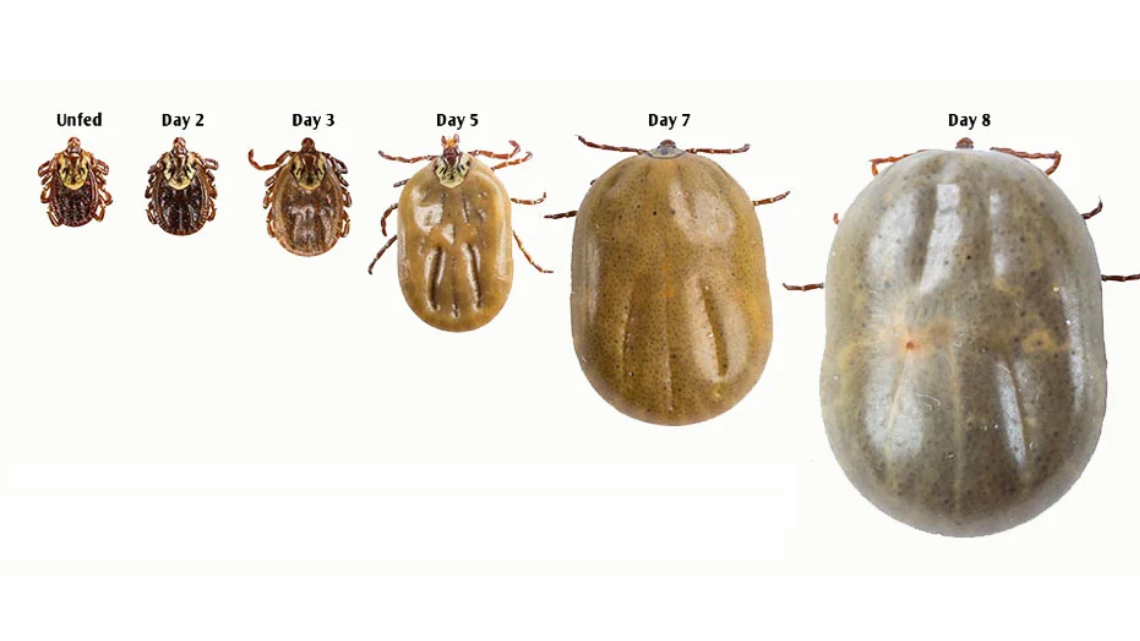
Understanding the types of ticks on dogs helps owners identify potential threats and take appropriate action. Canada hosts several tick species that commonly affect dogs:
Blacklegged Tick (Deer Tick)
The primary vector for Lyme disease, blacklegged ticks are found throughout eastern and central Canada. These dog ticks are particularly small and can be difficult to spot, making regular checking crucial.
American Dog Tick
Also known as wood ticks, these are among the most common dog ticks Canada encounters. They’re larger than blacklegged ticks and primarily found in wooded areas and tall grass.
Brown Dog Tick
Unlike other species, brown dog ticks can complete their entire lifecycle indoors, making them a year-round concern for Canadian dog owners.
Rocky Mountain Wood Tick
Primarily found in western Canada, these ticks can transmit Rocky Mountain spotted fever and are active during spring and early summer months.
Identifying Tick Hotspots: Where Ticks Hide on Dogs
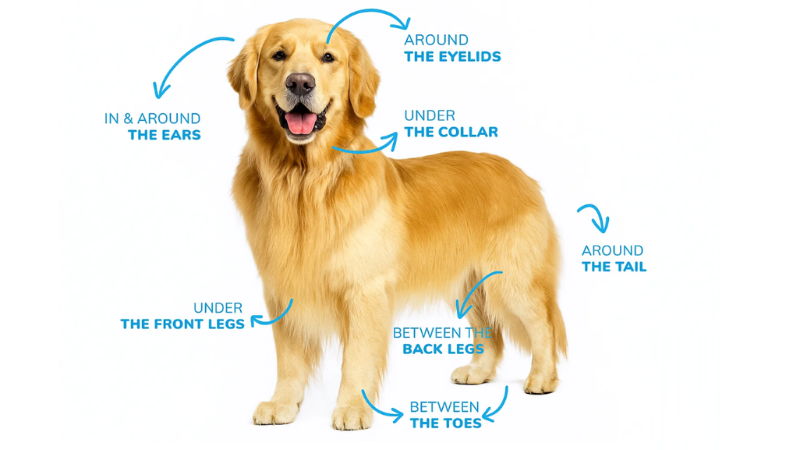
Knowing where ticks hide on dogs is crucial for effective detection and removal. Ticks on dogs typically attach in areas with thin skin and good blood supply. Common attachment sites include:
- Ticks on dogs ears are extremely common due to the warm, protected environment
- Around the neck and collar area
- Between toes and around paw pads
- Under the legs and in the armpit area
- Around the tail base
- In the groin region
- Along the belly and chest
Dog tick hotspots in Canada vary by region but commonly include wooded areas, tall grass, brushy vegetation, and areas where wildlife is present. Urban parks, hiking trails, and even suburban backyards can harbor tick populations.
Recognizing Symptoms of Tick Bites in Dogs
Early detection of symptoms of tick bites in dogs can prevent serious health complications. While some dogs show no immediate symptoms, others may exhibit:
- Localized swelling or redness around the bite site
- Excessive scratching or licking at the attachment area
- Lethargy or decreased activity
- Loss of appetite
- Fever
- Lameness or difficulty walking
- Swollen lymph nodes
More serious symptoms that may develop days to weeks after tick attachment include joint swelling, neurological symptoms, and in severe cases, kidney problems. Bush ticks on dogs that go unnoticed can lead to these more serious complications.
Best Tick Prevention Strategies for Dogs
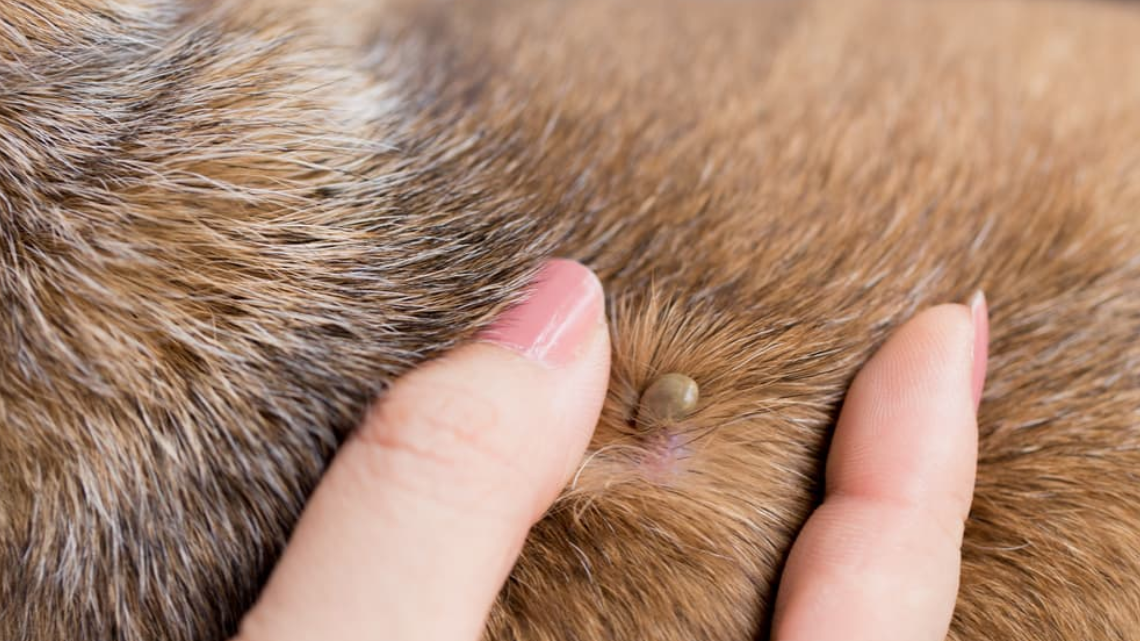
Implementing effective best tick prevention for dogs requires a multi-faceted approach combining environmental management, protective products, and regular monitoring.
Topical Preventatives
Modern tick prevention products offer excellent protection against ticks on dogs. Topical treatments applied monthly to the dog’s skin provide systemic protection. These products not only repel ticks but also kill those that manage to attach.
Oral Medications
Dog ticks medicine in pill form offers convenient, long-lasting protection. These medications work by making the dog’s blood toxic to ticks that attempt to feed, effectively breaking the tick lifecycle.
Tick Collars
Specially designed collars release active ingredients that repel and kill dog ticks. Modern tick collars can provide protection for several months and are particularly useful for dogs that spend significant time outdoors.
Natural Prevention Methods
While chemical preventatives are most effective, some natural approaches can supplement ticks on dogs treatment:
- Essential oil-based repellents (with veterinary approval)
- Regular grooming and brushing
- Maintaining short grass in yards
- Creating barriers between wooded areas and play spaces
Environmental Prevention Strategies
Reducing tick populations in your dog’s environment is a crucial component of ticks on dogs canada prevention:
Yard Management
- Keep grass cut short
- Remove leaf litter and brush piles
- Create gravel or wood chip barriers between wooded areas and lawns
- Consider tick-control treatments for severely infested areas
Wildlife Management
Since many dog ticks canada populations depend on wildlife hosts, managing wildlife access to your property can reduce tick numbers:
- Secure garbage containers
- Remove bird feeders that attract rodents
- Install fencing to exclude deer and other large mammals
Proper Tick Removal Techniques

When removing ticks from dogs, proper technique is essential to prevent disease transmission and complications:
Step-by-Step Removal Process
- Gather fine-tipped tweezers and antiseptic
- Grasp the tick as close to the skin surface as possible
- Pull upward with steady, even pressure
- Avoid twisting or jerking motions
- Clean the bite area and your hands with antiseptic
- Monitor the area for signs of infection
What NOT to Do
- Never use petroleum jelly, nail polish, or matches
- Don’t squeeze the tick’s body
- Avoid folk remedies that may cause the tick to regurgitate into the bite wound
Professional Treatment Options
When dog ticks treatment requires professional intervention, veterinarians can provide comprehensive care including:
Immediate Treatment
- Professional tick removal for difficult cases
- Wound care for infected bite sites
- Antibiotic treatment for tick-borne diseases
Preventative Care
- Prescription-strength tick prevention products
- Dog ticks medicine tailored to your dog’s specific needs
- Regular health monitoring during tick season
Checking Your Dog for Ticks: A Daily Routine

Establishing a routine for checking your dog for ticks is one of the most effective prevention strategies. Daily inspections should be thorough and systematic:
Daily Inspection Routine
- Run your hands over your dog’s entire body
- Pay special attention to ticks on dogs ears and other high-risk areas
- Look for small bumps or unusual swellings
- Part the fur in areas where ticks commonly attach
- Use good lighting for thorough examination
Post-Outdoor Activity Checks
After hiking, camping, or spending time in wooded areas, immediate tick checks are crucial. Ticks on dogs may not attach immediately, so prompt inspection and removal can prevent feeding and disease transmission.
Seasonal Considerations in Canada
Understanding how tick season dogs changes across Canada helps you plan the right protection year-round. The weather, regional habitats, and local wildlife all influence when ticks on dogs are most active. By adjusting prevention steps each season, you can reduce your dog’s risk of bites and tick-borne illnesses.
Spring (April–June)
Spring marks the start of peak activity for most dog ticks Canada species. As temperatures rise above 4°C, adult ticks emerge from winter dormancy, looking for hosts. This is also when nymph-stage ticks become active, and they’re even harder to spot due to their small size. Dogs who visit wooded trails, tall grass areas, or dog tick hotspots in Canada during this time are at higher risk.
Because ticks on dogs can attach within minutes, spring walks require extra care. Keep your dog on a leash in known tick habitats, use vet-approved tick prevention products, and start checking your dog for ticks after every outing. Pay close attention to hidden spots like under the collar, armpits, and between toes.
Summer (July–August)
Summer keeps tick activity high, especially in areas with dense vegetation and along water edges. Warm weather also means more camping and hiking trips, increasing exposure to bush ticks on dogs. These ticks thrive in rural and forested parts of Canada, making prevention critical for dogs that spend time outdoors.
When temperatures climb, ticks on dogs’ ears become common because ears provide warmth and easy access to blood vessels. Using the best tick prevention for dogs—such as long-lasting collars or monthly spot-on treatments—can reduce risk. After outdoor adventures, focus on removing ticks from dogs promptly to prevent disease transmission.
Fall (September–October)
Many owners think tick risk drops after summer, but fall remains a dangerous period. Adult ticks are still very active and, in some cases, become more aggressive as they prepare for winter. Cooler temperatures don’t kill them instantly, so ticks on dogs Canada cases often continue well into October.
This is also the season when wildlife, such as deer and rodents, move closer to human environments in search of food, bringing ticks with them. Keep your yard trimmed and leaf-free to reduce where ticks hide on dogs. Maintain your prevention routine until the first hard frost in your area.
Winter Considerations
In most Canadian regions, outdoor tick activity drops sharply in winter due to snow and freezing conditions. However, some species—like brown dog ticks—can survive indoors in heated environments. This means ticks on dogs can still be a problem for pets living or visiting infested homes, kennels, or shelters.
During winter, don’t skip dog ticks treatment if your pet is in an at-risk setting. Regularly wash bedding, vacuum floors, and continue checking your dog for ticks if they spend time in warm indoor areas with other animals. Consistent prevention ensures you’re ready when tick season returns in spring.
Regional Variations Across Canada

The challenge of ticks on dogs Canada varies greatly depending on where you live or travel. Climate, terrain, and local wildlife all influence the types of ticks your dog may encounter. Understanding these differences helps you choose prevention strategies that match your region’s risks.
Eastern Canada
Eastern provinces like Nova Scotia, New Brunswick, Prince Edward Island, and Newfoundland and Labrador are known for their high Lyme disease risk. Dense coastal forests, high humidity, and abundant wildlife—such as deer and small mammals—create ideal environments for black-legged ticks. In areas like the Annapolis Valley or along the Bay of Fundy, tick populations are particularly heavy in spring and early summer.
For dogs in Eastern Canada, prevention needs to be aggressive during tick season dogs. Daily checks after walks, use of vet-approved dog ticks treatment, and avoiding heavily wooded trails during peak months can lower risks. Urban parks in Halifax or Saint John can still harbor ticks, so city dog owners should remain just as vigilant as those in rural areas.
Central Canada
Central provinces like Ontario and Quebec have diverse habitats that support many types of ticks on dogs, from black-legged ticks in southern woodlands to American dog ticks in prairie and mixed forest regions. The Thousand Islands region, Ottawa Valley, and parts of Montérégie are well-known hotspots for ticks on dogs Canada cases.
While downtown Toronto or Montreal may have lower tick activity, suburban greenbelts and rural properties still require strong prevention. Dogs in areas like Kawartha Lakes or Eastern Townships are especially vulnerable due to proximity to natural tick habitats. Regular checking your dog for ticks and seasonal treatments are essential.
Western Canada
In British Columbia and parts of Alberta, Rocky Mountain wood ticks are the most common species affecting dogs. They are found in grassy areas, open forests, and along hiking trails, especially in places like Kamloops, Kelowna, and the Okanagan Valley. In coastal BC, such as Vancouver Island, black-legged ticks are more prevalent due to the milder climate and lush vegetation.
While the drier climate in parts of Alberta and BC’s interior can limit tick numbers, suitable habitats still have concentrated activity. Popular hiking areas like Kananaskis Country or Yoho National Park are prime spots where ticks on dogs can become a problem. Summer travelers should focus on removing ticks from dogs promptly after outdoor adventures.
Northern Territories
In Yukon, Northwest Territories, and Nunavut, ticks were once rare due to extreme cold. However, climate change is gradually extending the range of dog ticks Canada species further north. Black-legged ticks and American dog ticks have been reported more frequently, especially in southern parts of Yukon and around communities like Whitehorse.
Dogs traveling north from tick-heavy provinces can carry ticks into new areas, so prevention is key even in places where ticks were previously uncommon. Residents in emerging tick zones should begin best tick prevention for dogs routines early to protect pets and limit the spread of ticks into wildlife populations.

Emergency Situations and When to Seek Veterinary Care
While most ticks on dogs situations can be managed at home, certain circumstances require immediate professional attention:
- Multiple attached ticks
- Signs of tick-borne disease
- Infected bite sites
- Ticks on dogs ears that are deeply embedded
- Any tick that cannot be safely removed at home
Conclusion
The investment in proper dog ticks treatment and prevention pays dividends in your pet’s long-term health and your peace of mind. With proper preparation and consistent application of prevention strategies, you and your dog can safely enjoy Canada’s beautiful outdoors while minimizing the risks associated with these persistent parasites.
0 Comments