
Planning Winter Travel? Here’s Your Dog Winter Holidays Checklist
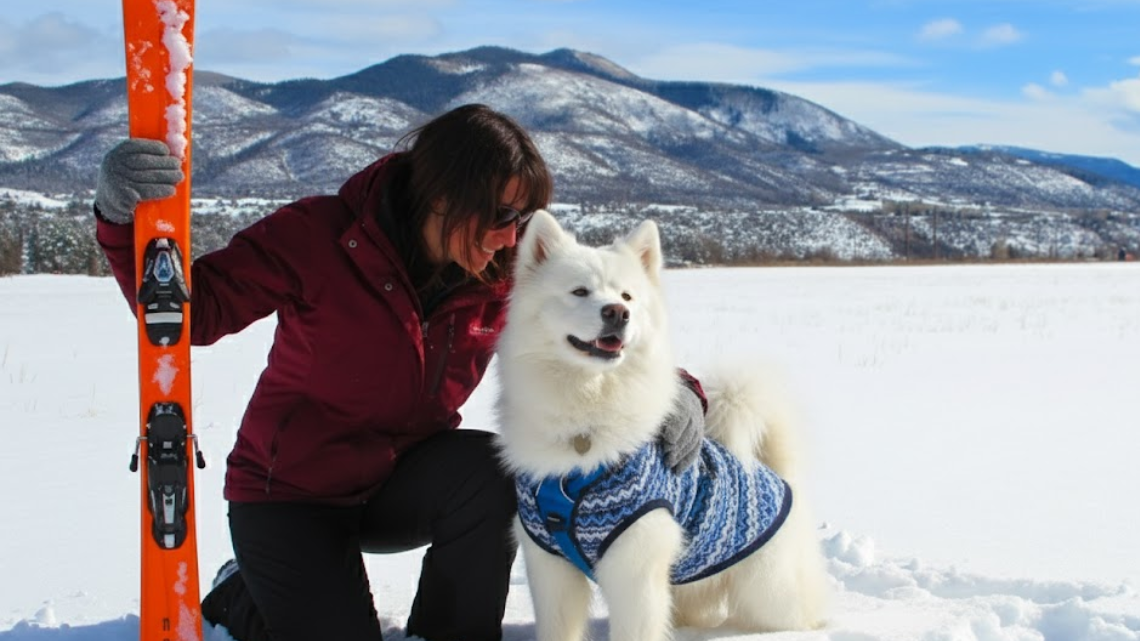
Your dog sees you pulling out the suitcase.
The tail starts wagging. Are they coming? Please say they’re coming.
Of course they’re coming.
Winter adventures are better with your best friend. Snowy trails. Cozy cabins. New places to explore together.
But traveling with dogs in Canadian winter requires more than enthusiasm and a leash. And this dog winter holidays checklist breaks down everything you need.
Before you leave. During your trip. After you return. Consider this your complete guide to winter travel that keeps tails wagging.
Before the Holidays: Your Dog Winter Holidays Checklist Starts Here
4-6 Weeks Out: The Planning Phase
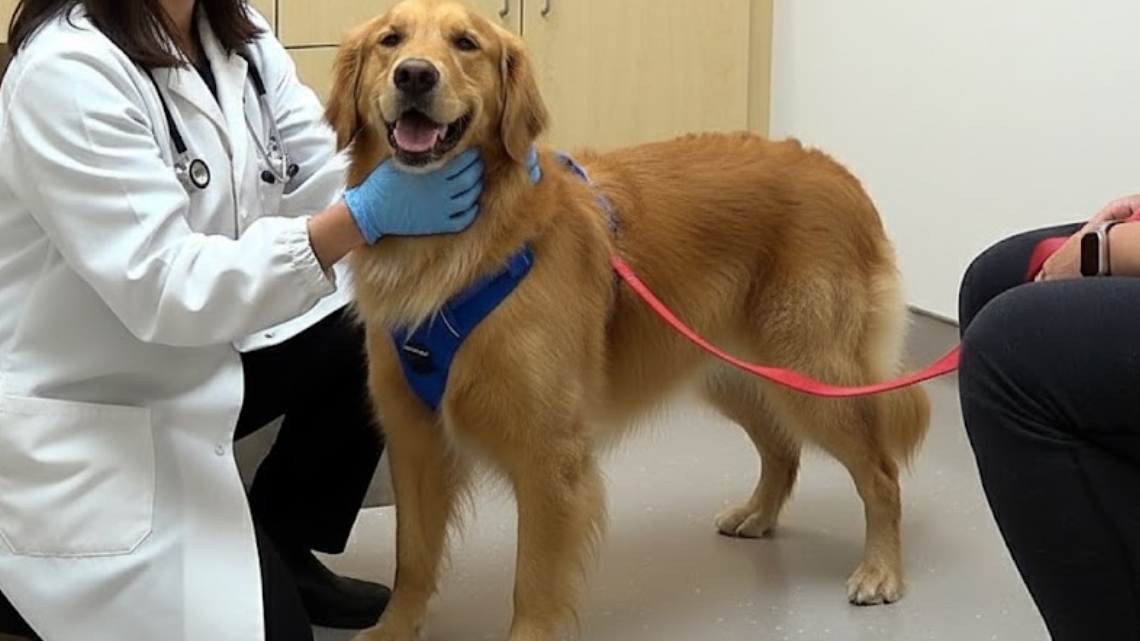
Get the Vet Visit Scheduled
First item on any dog winter holidays checklist? The vet appointment.
Book early. Everyone wants pre-holiday checkups. Waiting until December means you’re competing with every other pet owner in town.
Your vet confirms your dog is healthy enough for travel. Updates vaccinations. Addresses potential concerns before they become vacation disasters.
What to discuss:
- Can my dog handle cold weather activities?
- Any health concerns for winter travel?
- Should I bring specific medications?
- What’s the emergency plan if they get sick away from home?
- Are all vaccinations current and documented?
Your vet provides essential documentation. Vaccination records. Health certificates if crossing borders. Keep digital copies on your phone. Print physical backups too.
Research Your Destination Thoroughly
Not all winter destinations welcome dogs equally.
Some places celebrate canine visitors with open arms. Dog-friendly restaurants. Off-leash areas. Pet amenities. Others barely tolerate them.
Figure out which category your destination fits before booking.
Key research questions:
- Are accommodations genuinely pet-friendly?
- What are local leash laws?
- Where’s the nearest emergency vet?
- What winter activities allow dogs?
- Any breed-specific restrictions?
- What’s the weather forecast looking like?
Provincial regulations vary wildly. Quebec has different rules than British Columbia. National parks restrict access differently than provincial parks. Parks Canada’s pet guidelines spell out exactly what’s allowed where.
Book Pet-Friendly Accommodations Now
Right now. Seriously.
Dog-friendly winter lodging fills up fast. Holiday season compounds the problem. That perfect cabin near Whistler? Already booked. The Banff hotel accepting large breeds? Fully reserved.
When booking, confirm specifics:
- Exact pet fees (per night or one-time?)
- Size and breed restrictions
- Number of pets allowed
- Designated pet relief areas
- Nearby walking trails
- Refund policy if plans change
Get everything in writing. Call to verify. Some booking sites mark places as “pet-friendly” when they’re really not. Save confirmation emails. Screenshot pet policies.
You don’t want surprises at check-in when everyone’s exhausted.
Gather Essential Documentation
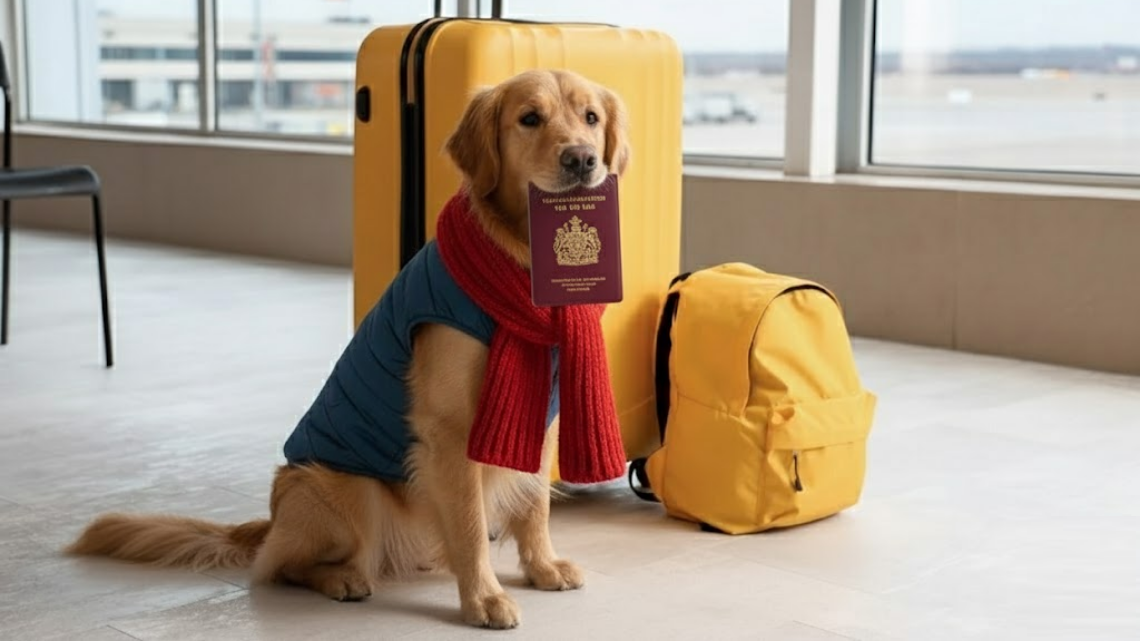
Your dog winter holidays checklist needs proper paperwork.
Required documents:
- Current rabies vaccination certificate
- Complete vaccination records
- Health certificate (if crossing borders)
- Microchip registration details
- Pet insurance information
- Your vet’s contact information
- Emergency contact back home
Traveling to the United States? Canada’s border requirements are specific. Rabies vaccination must be current. Proof must be physical documentation, not just digital. Some hotels require vaccination proof at check-in. Having copies prevents awkward searching through emails while the front desk staff waits.
2 Weeks Before: Preparation Gets Serious
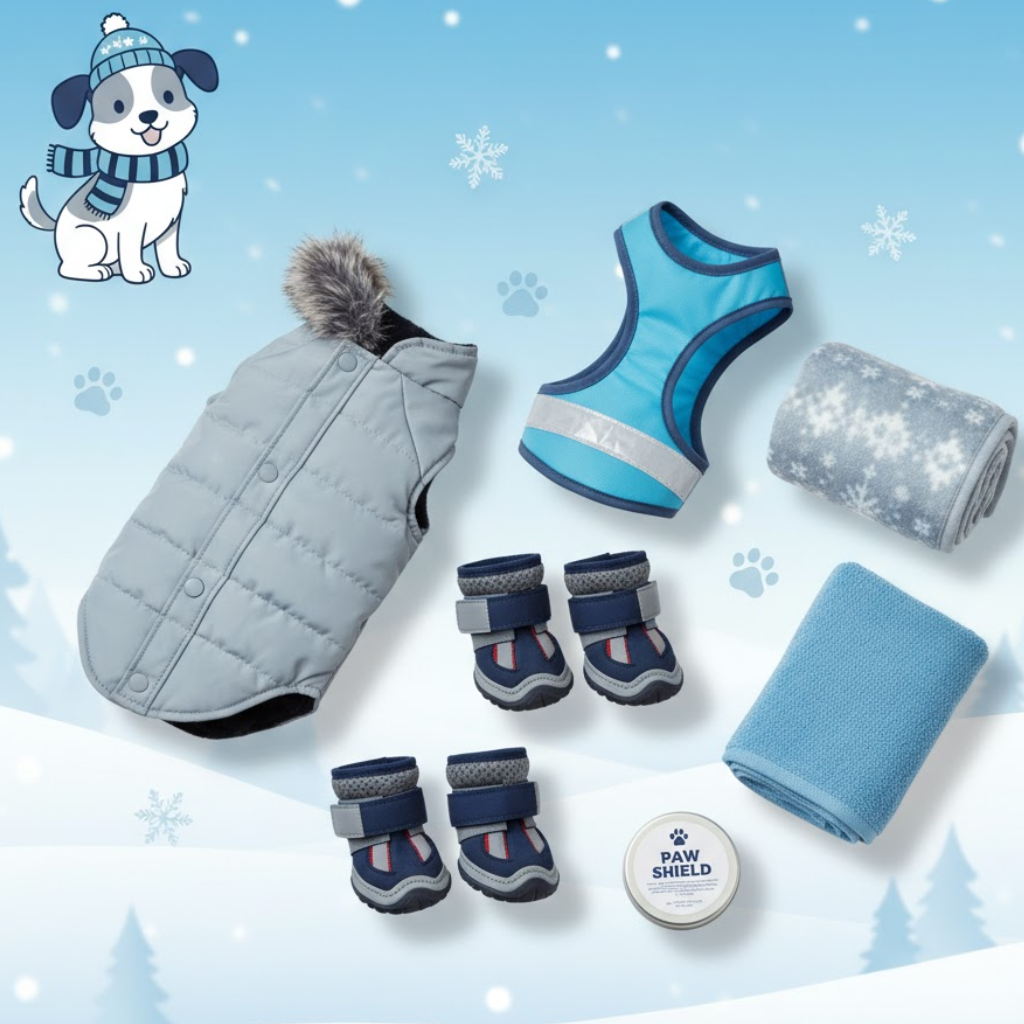
Build Your Dog’s Complete Winter Travel Kit
Time to gather supplies. Your dog needs significantly more gear in winter.
- Winter coat: Not all dog coats work equally. Look for water-resistant outer layers. Insulated lining. Coverage from chest to tail base. Should fit snugly without restricting movement.
- Paw protection: Either boots (tested beforehand!) or quality paw balm. Ice and salt wreak havoc on paw pads. Protection isn’t optional.
- Reflective gear: Winter means shorter days. Darkness comes early. Visibility saves lives on evening walks.
- Drying towels: Multiple. You need more than you think. Post-walk dry-offs are essential.
- Car blankets: Back seats get cold. Layer blankets for warmth during travel.
Here are health and safety essentials:
| Item | What to Pack | Why It Matters |
|---|---|---|
| First Aid Kit | Bandages, antiseptic, tweezers, thermometer, emergency blanket | Handle minor injuries immediately before reaching vet |
| Medications | Regular prescriptions plus 3-day buffer supply | Travel delays happen, don’t run out |
| Prevention | Flea/tick prevention, paw balm, eye drops | Health issues don’t pause for vacation |
| Medical Records | Vaccination copies, health history, allergy info | Critical for emergency vet visits |
| Emergency Contacts | Regular vet, local emergency clinic, poison control | Fast access during crisis situations |
Food and Hydration
- Enough regular food for entire trip PLUS two extra days
- Collapsible travel bowls (easy storage)
- Bottled water from home (strange water upsets stomachs)
- Training treats for reinforcing good behavior
- Long-lasting chews for quiet downtime
- Portable water bottle for trail adventures
Switching food brands mid-trip is asking for digestive disasters. Pack their regular food. Pack extra. Local stores might not carry their brand.
Comfort Items:
- Regular bed or favorite blanket (smells like home)
- 2-3 beloved toys (not the entire collection)
- Crate if they’re crate-trained
- Calming supplements if anxiety-prone (vet-approved only)
Practical Necessities:
- Poop bags (triple what you think you need)
- Paper towels (for everything)
- Enzymatic cleaner (accidents happen)
- Extra leash (primary one breaks at worst moments)
- Flashlight or headlamp (winter darkness is real)
- Spare collar with current ID tags
Test All New Gear Before Departure: Do not wait until your destination to discover your dog despises their new boots. Try everything at home first. The coat. The boots. The harness. The portable crate.
Boot training progression
Most dogs walk like drunk flamingos initially. It’s hilarious. Also frustrating when you’re trying to hike.
- Week 1: Indoor practice. Put boots on. Give treats. Let them walk around looking ridiculous. Five minutes daily.
- Week 2: Backyard sessions. Increase duration. Add obstacles to navigate. More treats.
- Week 3: Short neighborhood walks. Gradually extend distance. By departure, they should walk normally.
Some dogs never accept boots. That’s fine. Quality paw balm applied before and after walks protects against ice, salt, and cold. Check out this helpful guide on winter paw care from Canadian veterinarians.
Prepare Your Vehicle
Your car needs winter-readiness too.
Vehicle preparation checklist:
- ✓ Winter tires installed and pressure checked
- ✓ Emergency roadside kit stocked (blankets, food, water, flashlight)
- ✓ Ice scraper and snow brush accessible
- ✓ Phone charger and backup battery
- ✓ GPS updated with current maps
- ✓ Windshield washer fluid topped up
- ✓ Fuel tank filled (never start winter trips on half tank)
Dog-specific setup:
- ✓ Proper restraint system installed (crash-tested harness or barrier)
- ✓ Comfortable space arranged
- ✓ Spill-proof water bowl secured
- ✓ Toys accessible but not loose
- ✓ Temperature controls tested
- ✓ All choking hazards removed
Unrestrained dogs are dangerous in vehicles. Winter roads are unpredictable. Black ice. Sudden stops. Your 60-pound dog becomes a projectile.
Harnesses save lives. Use them.
Final 24 Hours: Last-Minute Dog Winter Holidays Checklist
Exercise Them Thoroughly
Tired dogs travel beautifully.
Energetic dogs make everyone miserable. They whine. Pace. Pant in your ear for six hours straight.
Take a long walk. Play intense fetch. Visit the dog park. Burn off that energy. You want them sleeping peacefully in the car.
Don’t overdo it. Sore muscles before travel isn’t the goal. Just nicely exhausted.
Pack Strategically: Everything your dog might need during travel should be easily accessible.
Smart packing order:
- Water and bowl in door pocket
- Poop bags within arm’s reach
- Towels on back seat
- First aid kit in accessible spot
- Treats in center console
- Medications where you can grab them
- Blankets and coat readily available
Nothing critical should be buried in the trunk. You’ll need it immediately. That’s Murphy’s Law of road trips.
Final Checklist Verification
Run through everything one last time.
Quick verification:
- ☐ Medications (full supply + extras)
- ☐ Medical records (printed + digital)
- ☐ Food (enough + buffer days)
- ☐ Water from home
- ☐ Winter coat and paw protection
- ☐ Leash, collar, harness
- ☐ ID tags current
- ☐ Favorite toys and bed
- ☐ First aid supplies
- ☐ Emergency contacts saved
- ☐ Accommodation confirmation
- ☐ Poop bags and cleaning supplies
The Pre-Travel Meal Strategy
Feed light or skip breakfast entirely.
Car sickness is real. Full stomach plus winding winter roads equals disaster. For everyone in the vehicle.
A light meal or just treats prevents problems. Your dog won’t starve during a few hours’ drive.
Bring snacks for rest stops. Small treats keep them content without overwhelming their system.
During the Holidays: Your Dog Winter Holidays Checklist in Action
On the Road: Travel Day Essentials
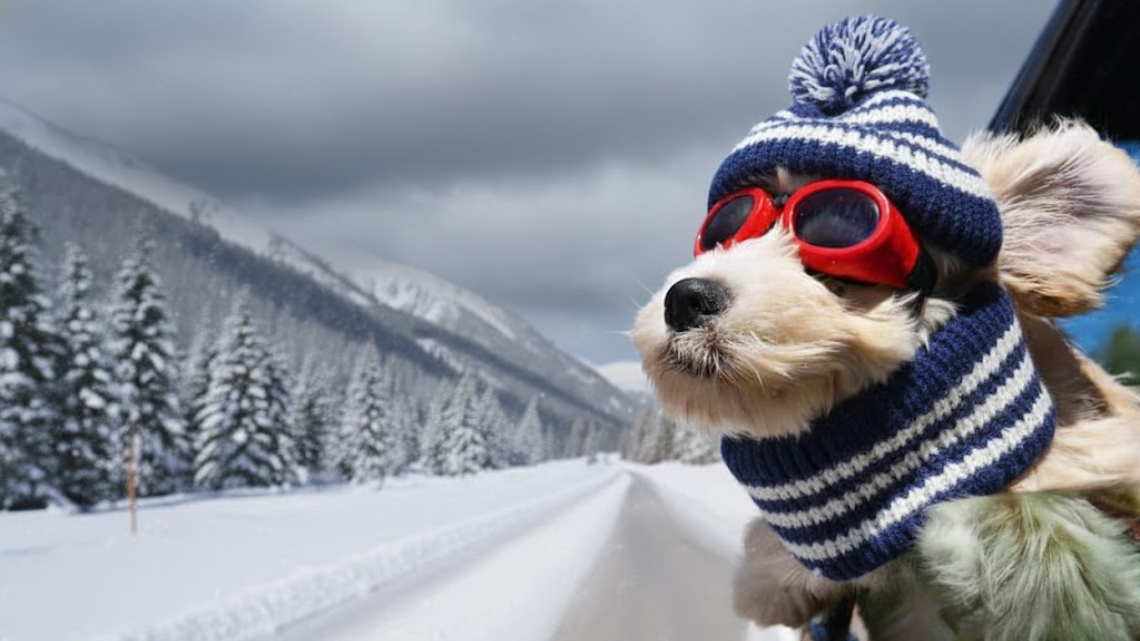
dog winter holidays checklist
Stop Every 2-3 Hours Minimum
Non-negotiable.
Your dog needs bathroom breaks. Water. Leg stretches. Mental resets.
They can’t tell you they need to pee. By the time they’re whining, it’s urgent. Regular stops prevent accidents.
Winter rest stop safety:
- Ice in parking lots (watch footing for both of you)
- Salt on walkways (wipe paws afterward)
- Other dogs (not always friendly)
- Wildlife (moose don’t care about your leash)
- Poor visibility in snow (stay close)
Keep your dog leashed always. “But they never run away” is what everyone says right before their dog runs away.
Monitor Temperature Constantly
Cars are terrible at maintaining comfortable temperatures.
Too cold without heat. Too hot with heat blasting. Finding the sweet spot requires attention.
Check your dog every 30 minutes. Watch for discomfort signs.
Signs your dog is too cold:
- Shivering visibly
- Whining anxiously
- Lifting paws repeatedly
- Curling into tight ball
- Acting unusually lethargic
Signs your dog is too hot:
- Excessive panting
- Heavy drooling
- Bright red gums
- Restlessness
- Vomiting
Adjust accordingly. Add blankets. Remove blankets. Change air flow. Your comfort level isn’t theirs.
Keep Water Available
Offer water at every stop.
Don’t force it. Just make it available. Heated car air is dry. Your dog needs hydration even in cold weather.
Use water from home. Strange water can upset sensitive stomachs. Your dog’s system is already handling travel stress.
Never Leave Them in the Car
Not for “just a minute.” Not to grab coffee. Never.
Cars become freezers rapidly in Canadian winter. Hypothermia happens fast. Your dog can’t turn on the heat. They can’t call for help.
Need to stop somewhere dogs aren’t allowed? One person stays with the dog. Take turns. Simple.
Arriving at Your Destination
Safety Inspection First
Before your dog explores freely, you explore carefully.
Check for hazards:
- Escape routes (fence gaps, broken gates, unlocked doors)
- Toxic substances (antifreeze smells sweet, kills fast)
- Sharp objects (ice, broken glass, exposed nails)
- Small choking hazards
- Unstable furniture
- Space heaters and fireplaces
- Holiday decorations (tinsel, ornaments, electrical cords)
Winter accommodations have unique dangers. Firewood stacks. Ice melt chemicals. Holiday plants like poinsettias. Do a thorough sweep.
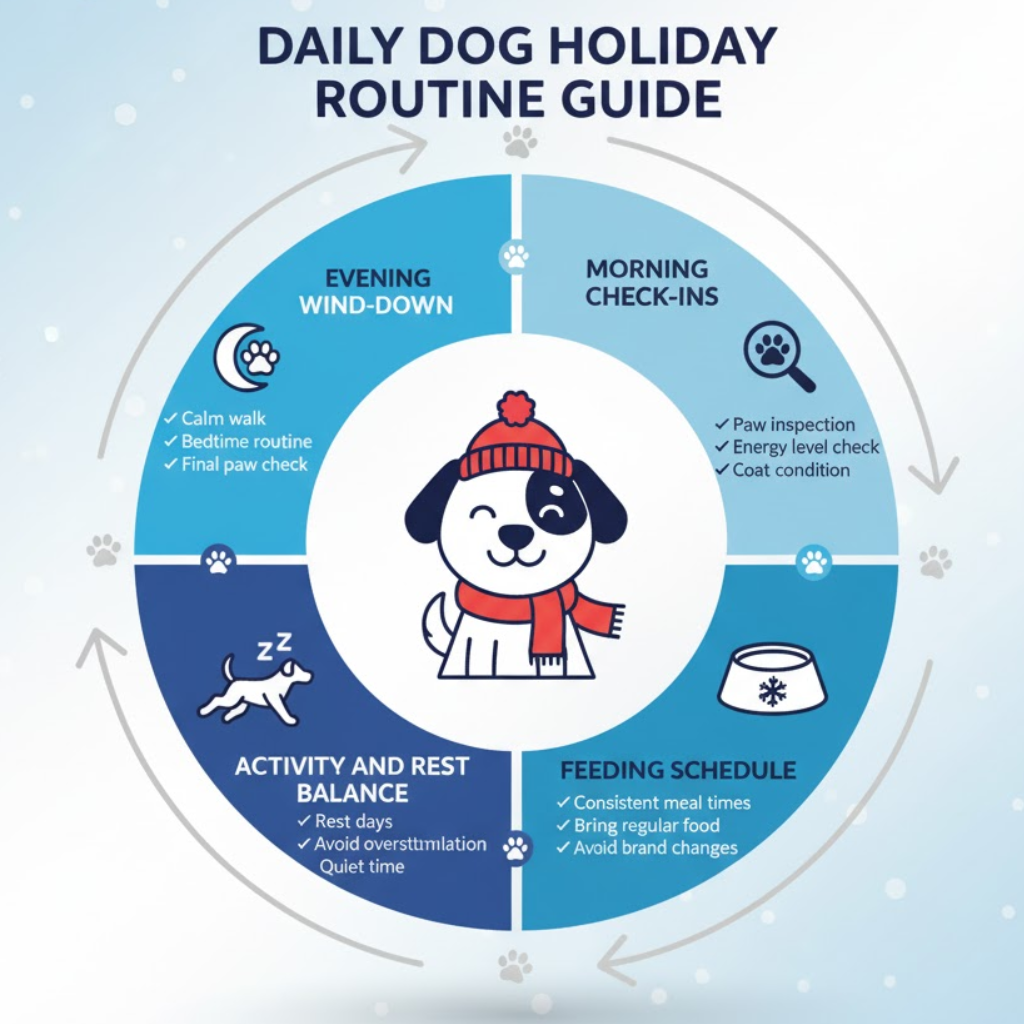
Maintain Normal Routines
Your dog craves consistency amid chaos.
The location changed. The schedule shouldn’t.
Feed at regular times. Walk on usual schedule. Keep bedtime consistent. These familiar patterns reduce stress significantly.
Especially critical for anxious dogs. Predictability comforts them. Helps them settle faster in unfamiliar environments.
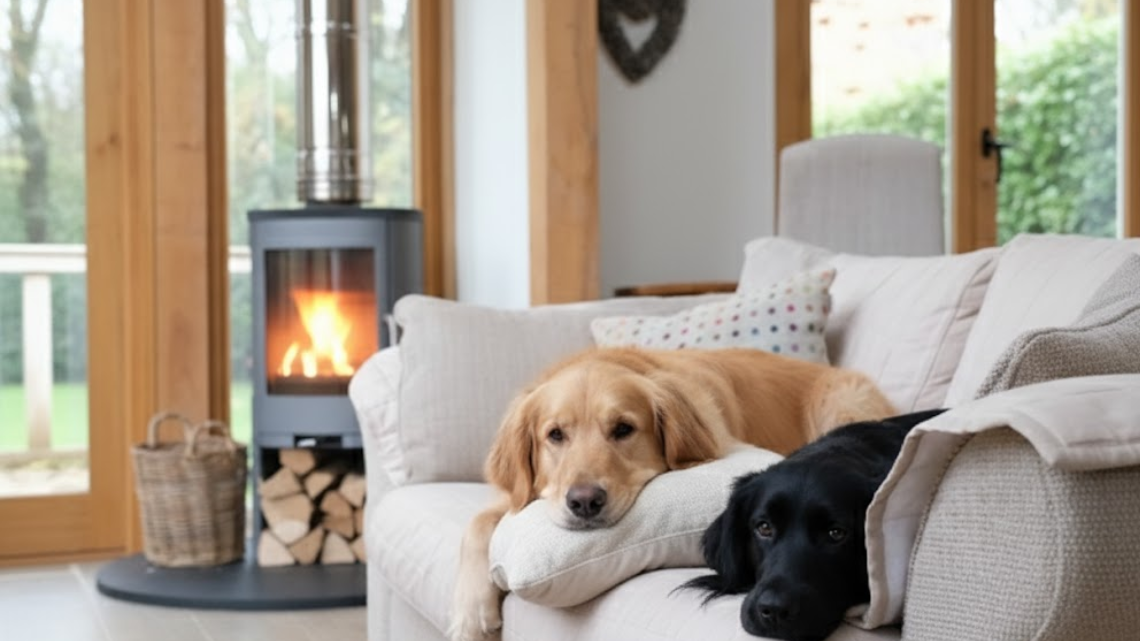
Start with Simple Activities: Don’t overwhelm them immediately with new experiences.
Begin with a short walk near your accommodation. Let them sniff around. Orient themselves. Understand this new territory.
Tomorrow you can tackle epic winter hikes. Today? Just decompress from travel.
Watch for Cold-Related Injuries: Winter brings specific dangers to your dog winter holidays checklist.
Monitor carefully for:
- Frostbite: Usually affects extremities—ears, tail, paws. Skin appears pale gray or bluish. Eventually becomes red and painful as it thaws. Severe cases cause tissue death requiring amputation.
- Hypothermia: Starts with shivering. Progresses to lethargy, shallow breathing, weak pulse. Advanced stages show muscle stiffness and loss of consciousness. Life-threatening emergency.
- Paw pad damage: Cracking from extreme cold. Bleeding from sharp ice cuts. Chemical burns from salt and de-icing products. Limping indicates pain.
- Ice balls between pads: Snow packs between toe pads. Freezes solid. Causes significant pain and limping. Check paws after every outdoor excursion.
Wipe paws after outdoor time. Remove ice balls gently with warm water. Apply protective balm. These small actions prevent major problems.
Winter Activities: Having Fun Safely
Choose Appropriate Adventures
Your dog traveled all this way. Let them have fun.
Dog-friendly winter activities:
- Snowshoeing on designated pet trails
- Winter beach explorations (dress warmly)
- Dog-welcoming ski resort areas
- Supervised snow play sessions
- Winter camping with proper gear
- Frozen lake walks (verify ice thickness first)
- Dog-friendly winter festivals
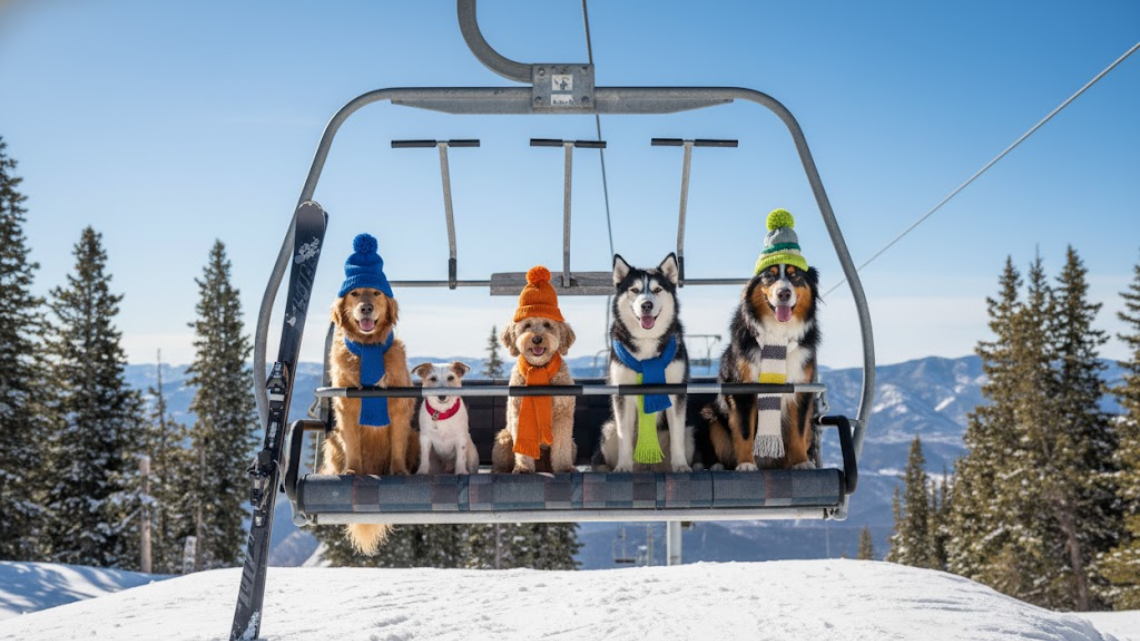
Know your dog’s breed limitations. A Siberian Husky and an Italian Greyhound have drastically different cold tolerance. Plan accordingly.
AllTrails helps find dog-friendly winter hiking routes across Canada.
Set Reasonable Activity Limits
Excitement makes us overambitious.
“Let’s do a 10km snowshoe!” sounds great. Until your out-of-shape dog is exhausted at kilometer two.
Activity safety guidelines:
- Start shorter than summer equivalents
- Watch constantly for fatigue signs
- Take frequent warming breaks
- Bring extra water and snacks
- Have emergency exit strategy
- Monitor paw condition throughout
Your dog won’t tell you they’re overdoing it. They push through discomfort to stay with you. Protect them from themselves.
Cold saps energy faster. Wind chill affects dogs too. That easy 5km summer walk becomes challenging in -20°C.
Pack Emergency Supplies
Remote winter activities need extra planning.
Essential safety items:
- Fully charged phone (backup battery packed)
- Emergency contacts saved offline
- First aid supplies for humans AND dogs
- Extra food and water
- Emergency shelter materials
- Headlamp or flashlight
- Whistle for signaling
- Knowledge of nearest vet clinic location
Cell service isn’t guaranteed in remote areas. Don’t rely on calling for help. Be self-sufficient.
Daily Holiday Routine
After the Holidays: Your Dog Winter Holidays Checklist Continues
The Journey Home
Don’t Rush Departure
Give yourself buffer time.
Packing takes longer than expected. Your dog needs a final bathroom break. Morning walks happen. Build in extra time.
Rushing stresses everyone. Your dog picks up on your anxiety.
Follow Same Travel Protocols
Everything from the trip out applies to the trip back.
Regular stops. Temperature monitoring. Water availability. Safety restraints. Don’t get complacent because you’re heading home.
Winter roads remain unpredictable. Stay vigilant.
Adjust Expectations
Your dog is tired from vacation activities.
They might sleep more during the return trip. That’s normal. Let them rest.
Some dogs get more anxious heading home. They sense the trip ending. Extra patience helps.
First Week Back Home
Thorough Post-Travel Inspection
Check your dog carefully after returning.
Look for:
- Paw injuries, cracks, or raw spots
- Weight changes (loss or gain)
- Behavioral differences or anxiety
- Signs of developing illness
- Coat condition and skin irritation
- Unusual lumps, bumps, or swelling
- Limping or favoring certain legs
Sometimes problems don’t appear immediately. Monitor them for several days post-travel.
Return to Normal Routines Gradually
Your dog needs readjustment time.
Resume regular feeding schedules. Get back to normal walk routes. Reestablish usual bedtimes.
They’ll settle faster with consistency. The excitement is over. Life returns to normal.
Some dogs experience post-vacation blues. Extra attention helps. Be patient during the transition.
Process the Experience
What worked well? What would you change?
Take notes for next year’s trip. Update your dog winter holidays checklist with lessons learned.
Which gear was essential? What did you overpack? How did your dog handle specific activities?
These insights improve future travels.
When to Contact Your Vet
Schedule a checkup if you notice:
- Persistent limping or lameness
- Ongoing coughing or respiratory issues
- Digestive problems continuing beyond 48 hours
- Behavior changes lasting more than a few days
- Decreased appetite or lethargy
- Any concerning symptoms
Better to check and find nothing than ignore something serious. Post-travel vet visits catch problems early.

Share Travel Experience with Your Vet
Mention any exposures during travel.
Different wildlife. New water sources. Unusual plants. Other dogs. These details help your vet assess risk.
If your dog ate something questionable (they always do), mention it. Even if it seemed fine at the time.
Update Your Records
Document everything for future reference:
- What worked from your dog winter holidays checklist
- Accommodations that were genuinely pet-friendly
- Activities your dog loved
- Gear that proved essential
- Items you didn’t need
- Lessons learned
These notes become invaluable for planning next year’s trip.
Update Emergency Contacts
Add any new vets you visited. Save helpful local contacts. Update your dog’s medical records with any new information.
Keep everything current. You never know when you’ll need it.
Final Thoughts on Your Dog Winter Holidays Checklist
Winter travel with your dog creates unforgettable memories.
Watching them bound through fresh powder. Seeing their pure joy exploring new trails. Sharing quiet cabin evenings after adventurous days. These moments matter.
But they require planning. Preparation. Constant attention to safety.
This comprehensive dog winter holidays checklist gives you the framework. Adapt it to your specific dog. Your Newfoundland needs different planning than your Chihuahua. Your senior dog has different requirements than your puppy.
The goal isn’t perfection. It’s creating conditions where both of you thrive.
So review this checklist thoroughly. Check items off methodically. Pack thoughtfully. Plan carefully.
Then hit the road. Make those memories. Experience Canadian winter together.
Your dog is absolutely ready for adventure.
The real question is: are you prepared to make it safe, comfortable, and unforgettable?
0 Comments