
Spring Hikes with Your Dog in Canada: A Guide to Trail Adventures After the Thaw
When the snow melts and wildflowers start pushing through the forest floor, Canadian trails turn into perfect playgrounds for you and your canine companion. Spring hikes with your dog offer a unique experience that differs from summer excursions or fall foliage walks.
The air is crisp, the crowds are thinner, and your pup gets to explore trails that feel brand new after months of winter dormancy. This article looks at spring hiking across Canada, with a focus on safety, trail choice, and simple prep.
Why Spring Is the Perfect Season for Dog-Friendly Trails
Spring conditions create an ideal environment for hiking with dogs. The moderate temperatures mean your pup won’t struggle with heat exhaustion as they might during summer excursions. Canadian springs typically range from 5°C to 15°C, which keeps dogs comfortable during physical activity.
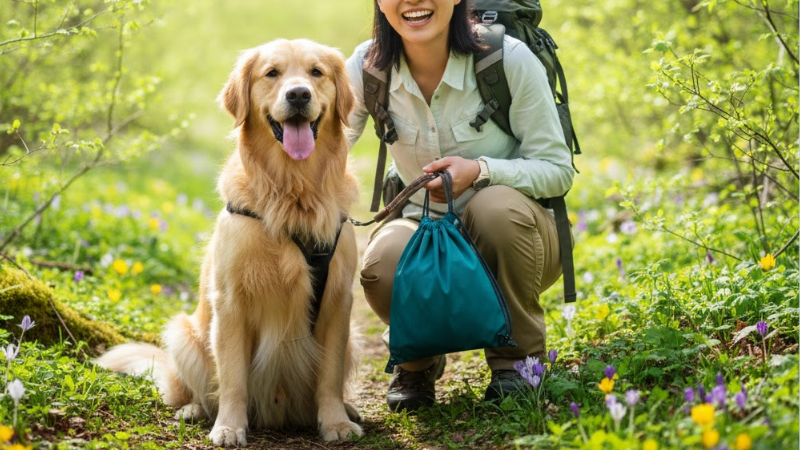
The seasonal shift brings distinct advantages:
- Lighter trail traffic: Parks Canada notes that April and early May see fewer visitors compared to peak summer months, which reduces stress for dogs that react to crowds.
- Active wildlife: Bears, deer, and birds emerge, providing exciting scents for your dog to investigate
- Full water sources: Snowmelt keeps streams and lakes brimming, perfect for water-loving dogs
- Cooler ground temperatures: Paw pads won’t burn on hot rocks or pavement
- Extended daylight: Longer days give you more flexibility for timing your hikes
Still, spring is not a free pass. Mud, cold water, and wildlife can create risks. Spring hikes with your dog do require specific preparation. Knowing these limits keeps outings positive. Some parks close trails during thaw season to protect soil. Always check local updates before heading out.
Pre-Hike Preparation Checklist
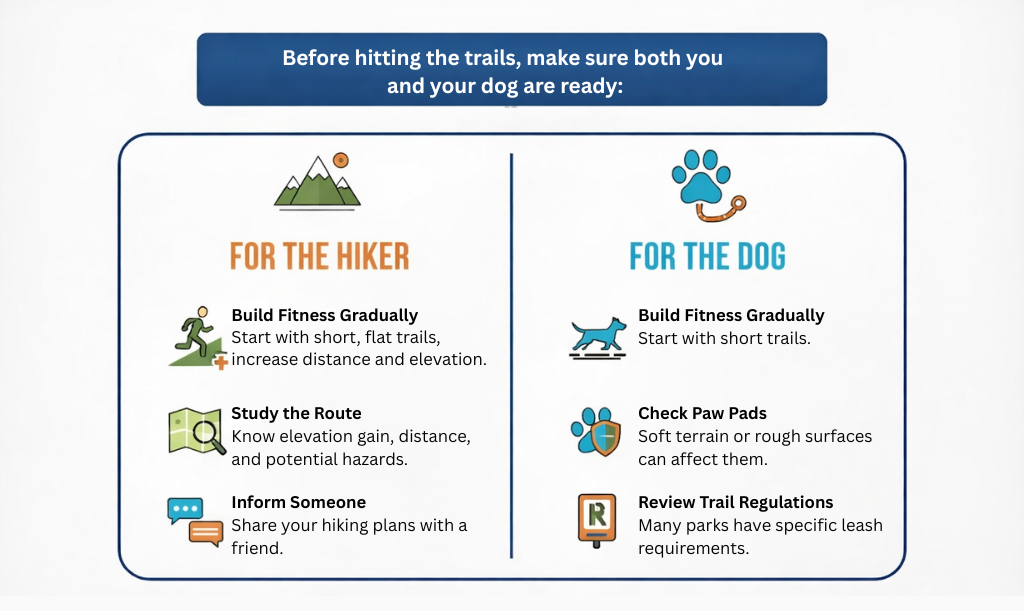
Top Canadian Regions for Spring Hikes with Your Dog
1. British Columbia
When Trails Open: March to early April at lower elevations; May to June in mountains
Top Trail Recommendations:
- Stawamus Chief (first peak only – dogs not allowed on chain sections)
- Quarry Rock in Deep Cove
- Lighthouse Park in West Vancouver
- Wild Pacific Trail on Vancouver Island
The west coast offers the earliest spring hiking opportunities in Canada. Lower elevations open first, with coastal and valley trails becoming accessible while mountain routes remain snow-covered well into late spring.
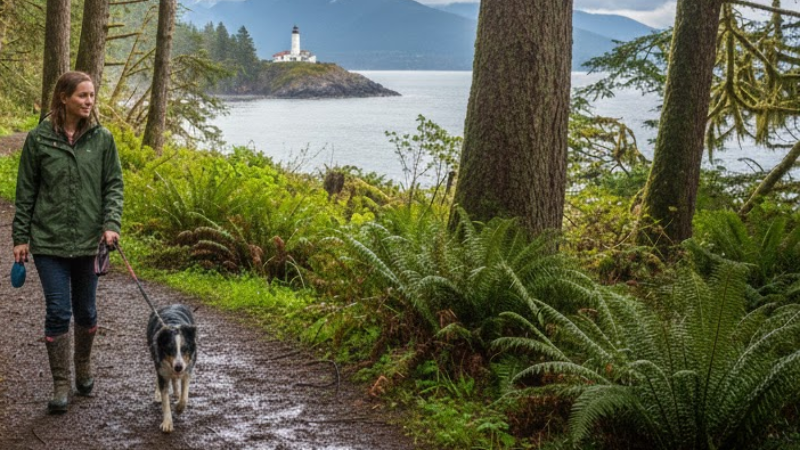
Best Spring Trail Features:
- Forest paths with good drainage
- Coastal routes with mild grades
- Shaded areas that stay cool throughout the day
Weather Considerations: Rain is common during BC springs, so waterproof gear for both you and your dog is essential. Sea-to-Sky corridor trails near Squamish dry out faster than mountain routes, making them ideal for early season adventures. Pacific Spirit Regional Park in Vancouver maintains over 50 kilometers of forested paths where dogs are welcome year-round.
2. Alberta
When Trails Open: Late April to early May in foothills; June in alpine areas
Top Trail Recommendations:
- Grassi Lakes Trail – relatively dry lower loop with turquoise lake views
- Prairie View Trail – moderate elevation gain with panoramic vistas
- Troll Falls – family-friendly waterfall hike
- Ha Ling Peak – advanced trail for experienced dogs and owners
Kananaskis Country provides excellent foothills hiking once snow recedes in late April. The region offers trails ranging from easy loops to challenging peak ascents, giving you options based on your dog’s fitness level.
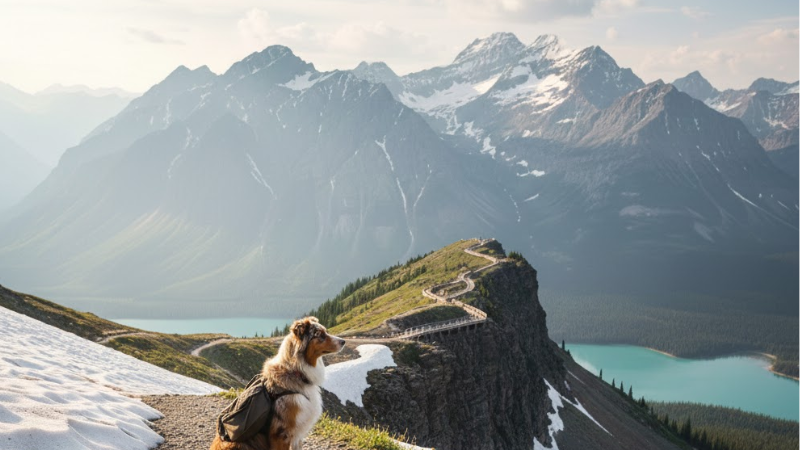
Best Spring Trail Features:
- City river paths in Calgary and Edmonton
- Open foothill loops with mountain views
- Multi-use gravel trails that drain well
Weather Considerations: Alberta spring weather changes fast. Foothill and river valley trails are safer than alpine routes during early season. Mountain parks often delay trail openings to protect land and wildlife during sensitive breeding seasons. Respect closures to avoid fines and trail damage.
3. Ontario
When Trails Open: Late March to early April in southern areas; May in northern regions
Top Trail Recommendations:
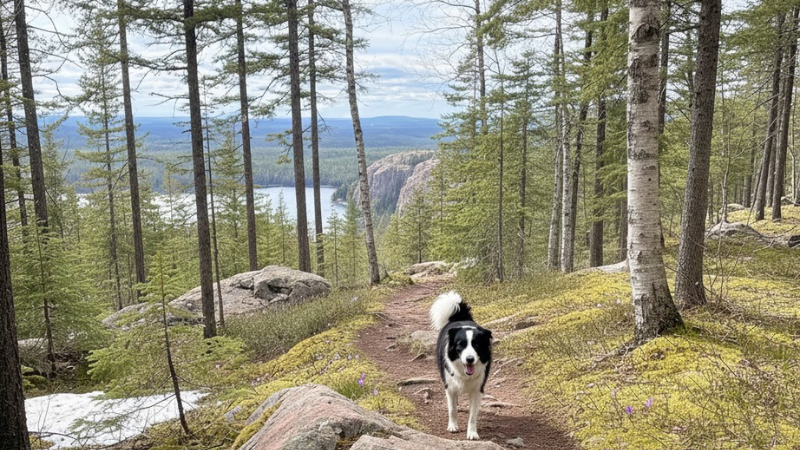
- Killarney Provincial Park – Granite Ridge Trail showcases pink granite cliffs
- Algonquin Park – Mizzy Lake Trail and Track and Tower Trail
- Bruce Trail sections – hundreds of kilometers with varying difficulty
- Rattlesnake Point – cliff-edge trails with stunning escarpment views
Southern Ontario is one of the easiest regions for spring hikes with your dog. The Canadian Shield region creates unique spring landscapes that differ from western mountain terrain.
Best Spring Trail Features:
- Early snow melt compared to other provinces
- Gentle elevation changes suitable for all fitness levels
- Wide trail networks with multiple route options
Weather Considerations: Forested areas near water can bring early insects. Planning hikes in April rather than late May helps avoid that issue. Provincial parks across Ontario permit dogs on designated trails, giving you plenty of options throughout the season.
4. Quebec
When Trails Open: Late April to early May in lower regions; June in Laurentian highlands
Top Trail Recommendations:
- Parc national du Mont-Tremblant – La Roche and La Corniche trails
- Mont-Royal Park – multiple interconnected paths
- Parc national d’Oka – Calvaire d’Oka Trail
- Gatineau Park – dozens of dog-friendly routes
The Laurentian region becomes accessible for spring hiking starting in late April. Spring arrives later in many parts of Quebec compared to southern Ontario, but lower regions open by mid-season.
Best Spring Trail Features:
- Forest loops near cities for easy access
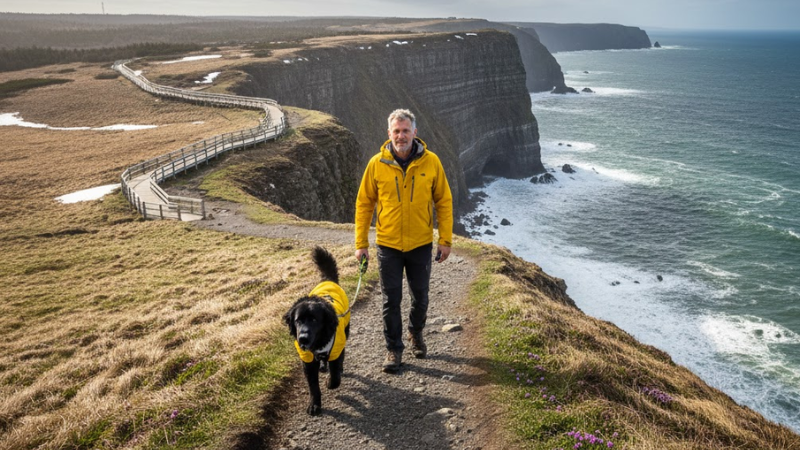
- Boardwalk paths that avoid muddy sections
- Park-managed routes with good maintenance
Weather Considerations: Mud season can be heavy in Quebec’s forests. Gravel trails stay more stable and reduce strain on paws. Mont-Royal Park in Montreal offers urban hiking convenience for city dwellers looking for quick trail access without long drives.
5. Atlantic Canada
When Trails Open: April in coastal areas; May in interior regions
Top Trail Recommendations:
- Cape Split Trail, Nova Scotia – dramatic coastal views with moderate difficulty
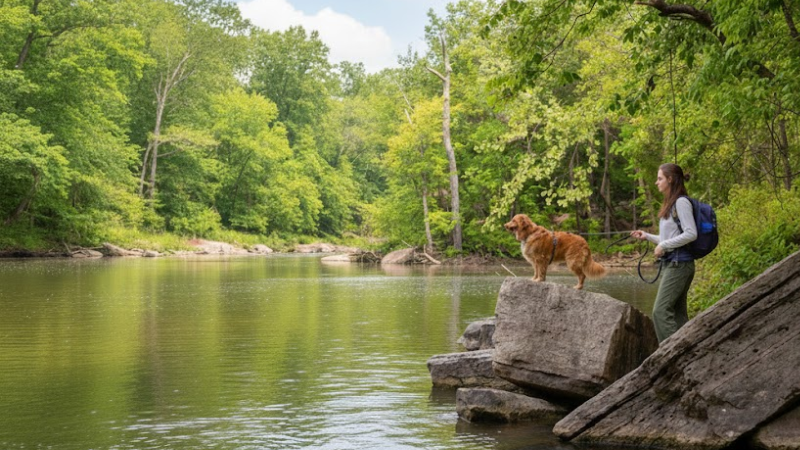
- Skyline Trail, Cape Breton – elevated boardwalk sections with ocean vistas
- East Coast Trail sections, Newfoundland – rugged coastal hiking
- Fundy Footpath, New Brunswick – challenging terrain for experienced hikers
Coastal areas warm up faster and offer open views that differ from interior forest trails. The ocean moderates temperatures, creating comfortable hiking conditions earlier in the season.
Best Spring Trail Features:
- Ocean air that stays cool for active dogs
- Fewer bugs early in the season compared to inland areas
- Open terrain with clear sightlines for monitoring your dog
Weather Considerations: Wind can be strong along coastal routes, so smaller dogs or short-haired breeds may need extra warmth. Bring a dog jacket for breaks and consider routes with some forest cover for wind protection. Atlantic provinces offer a mix of coastal and forested trails to suit different preferences.
How to Choose the Right Trail for Your Dog?
Not every trail fits every dog. Planning around your dog matters more than distance or views. A trail that’s too long, steep, or rough can turn an enjoyable hike into a stressful experience for both of you.
When picking a trail, consider:
- Your dog’s age and health – Puppies and older dogs may need shorter, gentler routes. Dogs with joint issues or arthritis need softer surfaces and minimal climbing.
- Past hiking experience – If your dog hasn’t hiked in a while, start with easy, flat trails before trying longer or uneven routes.
- Comfort on uneven ground – Rocky, slippery, or muddy terrain can tire some dogs quickly or lead to injury. Watch how your dog moves and adjust your plans.
- Leash rules in the area – Even friendly dogs need to follow local regulations. Leashing may also protect your dog from wildlife encounters.
Shorter hikes help dogs rebuild strength after winter. Spring hikes with your dog should feel steady, not rushed. Let your dog take breaks, sniff around, and explore safely.
Elevation matters too. Gentle climbs are easier on joints and muscles during thaw season. Steep or rocky trails may stay slippery longer, increasing the chance of slips or paw injuries.
Trail surface plays a big role in energy levels and safety. Mud tires dogs faster than dry dirt, while ice patches increase the risk of slipping. Gravel, packed dirt, or boardwalks often provide the most comfortable footing for spring hikes with your dog.
Basic Gear For Spring Hikes
Spring gear focuses on flexibility and comfort.
For your dog, bring:
- Fresh water and a bowl
- Treats or light food
- Poop bags
- A towel for muddy paws
For yourself:
- Waterproof shoes
- Layered clothing
- A small backpack
Booties help some dogs, but many prefer bare paws. Watch how your dog moves and adjust if needed.
Watching Your Dog On The Trail
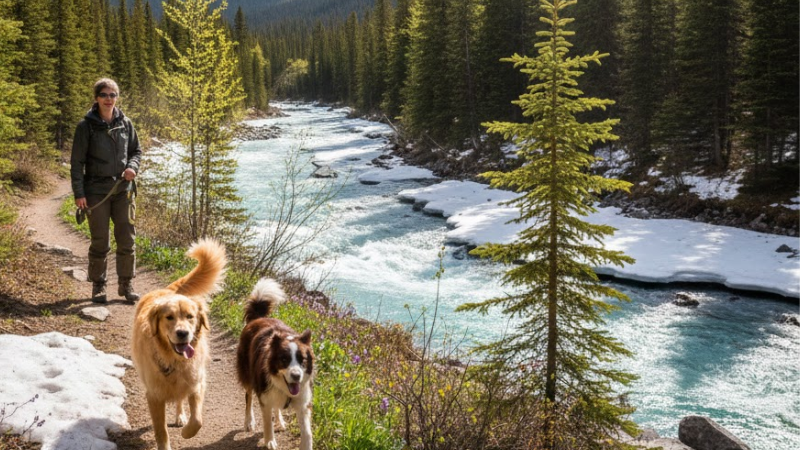
Dogs rarely stop on their own. Reading small signs prevents trouble.
Watch for:
- Slower pace – If your dog suddenly starts lagging, it may be tired or sore. Slow down and take breaks.
- Heavy panting – Dogs pant to cool down, but excessive panting can signal overheating or stress, even in cooler spring weather.
- Frequent stops – Pausing often may mean your dog needs water, a rest, or is uncomfortable on the trail surface.
- Avoiding certain surfaces – Mud, ice, rocks, or sharp gravel can hurt paws. Notice if your dog steps lightly, lifts paws, or refuses a section.
The weather can shift quickly. Wind, rain, or clouds may change trail conditions. If your dog seems uneasy, turning back is the right call. Spring hikes with your dog work best when comfort comes first.
Safety Rules To Follow In Spring
Spring hiking requires extra awareness. Trails change quickly as snow melts, rain softens the ground, and temperatures fluctuate. Conditions that seem safe at the start of the hike can become risky within minutes. Following a few basic rules keeps both you and your dog safe while making the hike enjoyable.
Key safety rules to keep in mind:
- Keep your dog on leash in wildlife areas – Even well-behaved dogs may chase animals or disturb nests. Leashing protects your dog and local wildlife.
- Avoid fast-moving water and soft edges – Spring streams can be stronger than they look. Muddy banks or thawing ice can give way easily.
- Stay on marked trails to protect the environment – Off-trail hiking can damage fragile ground, erode soil, and disturb plants and wildlife.
- Turn back if conditions worsen – Sudden rain, wind, or changing temperatures can make trails slippery or unsafe. Don’t push forward just to complete a route.
Spring hikes with your dog should never feel like a test of limits. Watching your dog for signs of fatigue, stress, or discomfort is just as important as reading the trail. Breaks, water, and snacks help your dog stay energized and safe.
When To Skip A Hike
Some days are better spent resting than hiking. Knowing when to skip a hike protects your dog from injury and keeps future outings enjoyable.
Consider skipping a hike if:
- Trails are closed or unsafe due to mud, flooding, or thawing snow.
- Weather is severe – heavy rain, high winds, or sudden snow.
- Your dog shows signs of soreness, illness, or extreme fatigue.
Even on skipped days, short walks around the neighborhood can help your dog stay active without risking injury. Listening to your dog’s needs builds trust and ensures that spring hikes remain a positive experience. If your dog seems off, a visit to a vet or dentist helps rule out pain or health issues before the next hike.
Closing Thoughts
Spring brings change, and hiking reflects that shift. Trails feel raw, quiet, and full of movement. Dogs pick up on this energy quickly.
With the right approach, spring hikes with your dog can set the tone for the rest of the year. They help rebuild routine, confidence, and trust after winter. Focus on comfort, safety, and shared time. The views will follow!
0 Comments