
Best Healthy Fruits and Veggies Dogs Can Eat
(for each SEASON)

Feeding your dog fresh produce isn’t just a trend—it’s a simple way to add nutrients, variety, and excitement to their diet. But not all fruits and vegetables work for dogs, and timing matters too. Seasonal produce offers peak flavor and nutrition while staying budget-friendly. According to the American Kennel Club’s nutrition experts, understanding which produce is safe for dogs helps you make informed choices throughout the year. This guide breaks down the best fruits and veggies dogs can eat by season, so you know exactly what to share with your pup during specific times of the year.
Spring: Fresh Starts
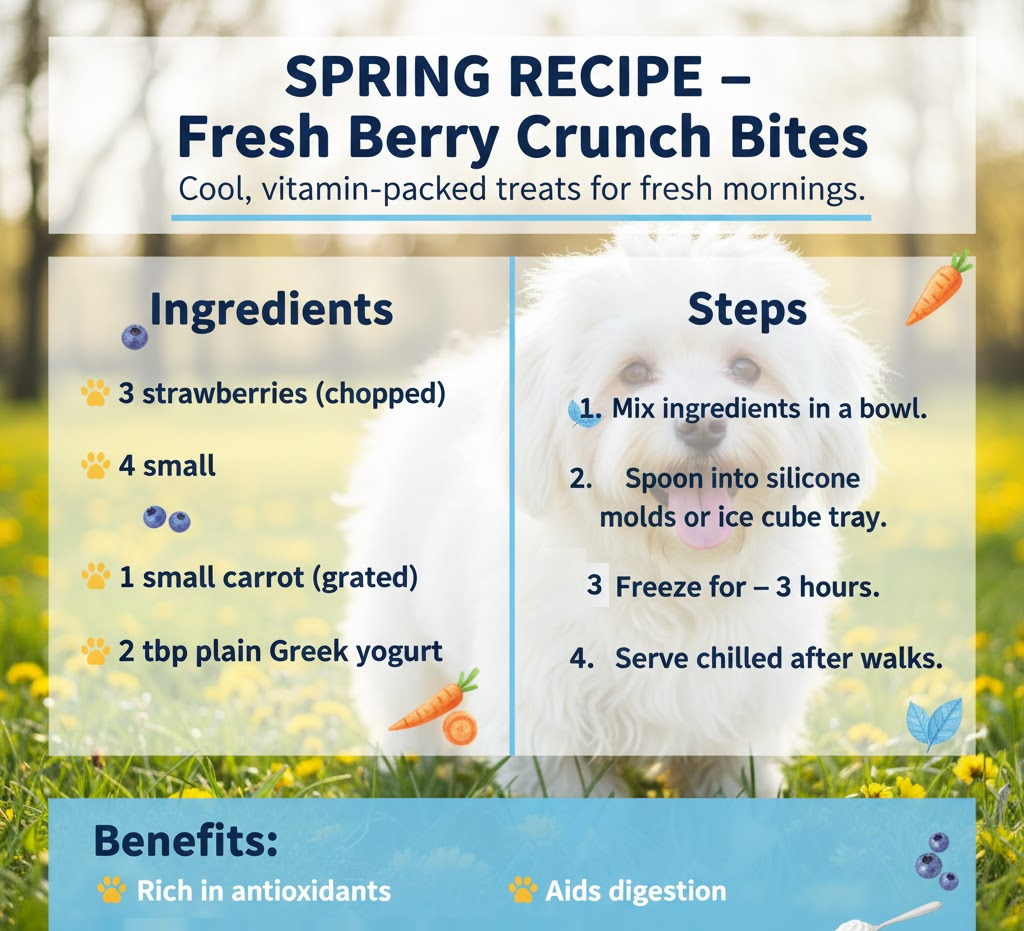
Spring brings new greens and juicy fruits after the long winter months. It’s a great time to slowly introduce fresh produce to your dog’s meals as nature awakens with tender vegetables and early berries. The mild weather and abundance of local produce safe for dogs at farmers’ markets make spring ideal for experimenting with healthy snacks.
These lighter options are gentle on the digestive system and provide a welcome change from heavier winter fare. When choosing fruits and veggies dogs can eat during this season, focus on what’s just arrived at markets—strawberries, snap peas, and leafy greens that taste best when they’re freshly harvested. As Canadian gardens and farms come back to life, spring produce offers excellent vitamins and minerals that support overall health and vitality.
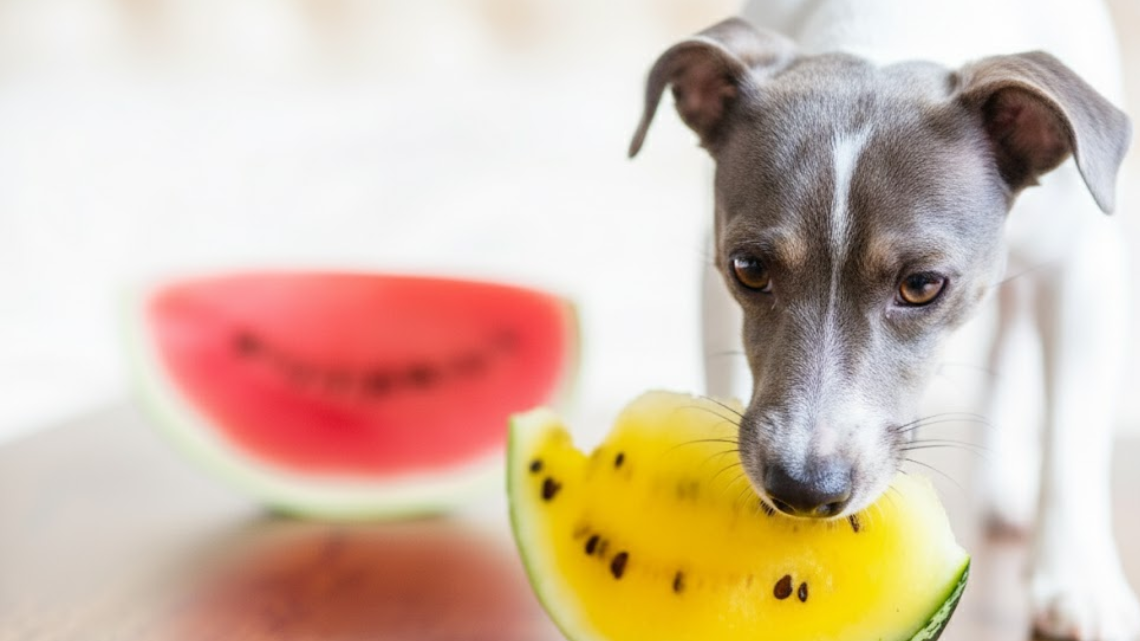
The natural fiber in spring vegetables helps with digestion, while fresh berries provide antioxidants that boost immune function. This season is perfect for feeding dogs fresh produce because the items are crisp, flavorful, and packed with nutrients at their peak. Introduce each new food gradually to monitor your dog’s response and build a foundation for year-round variety in their diet. Knowing which fruits and veggies dogs can eat in spring means you’re offering them the freshest, most nutritious options available.
Here is a detailed list of safe spring fruits and veggies dogs can eat
| Produce | Type | Preparation / Notes | Key Benefits |
| Green beans | Vegetable | Raw, steamed, chopped — low calorie, good fiber | Supports weight management, provides vitamins C and K |
| Carrots | Vegetable | Raw or cooked, sliced or diced. Great crunchy snack | Promotes dental health, rich in beta-carotene for vision |
| Peas | Vegetable | Fresh or frozen peas, no added salt | Contains vitamins A, B, K, and supports digestive health |
| Strawberries | Fruit | Washed, stems removed, in small amounts | Vitamin C boost, natural teeth whitening enzyme |
| Apples | Fruit | Core and seeds removed, sliced | Fiber for digestion, vitamins A and C for immune support |
| Blueberries | Fruit | Whole or chopped; antioxidant boost | Supports brain function, anti-inflammatory properties |
Summer: Cool Treats
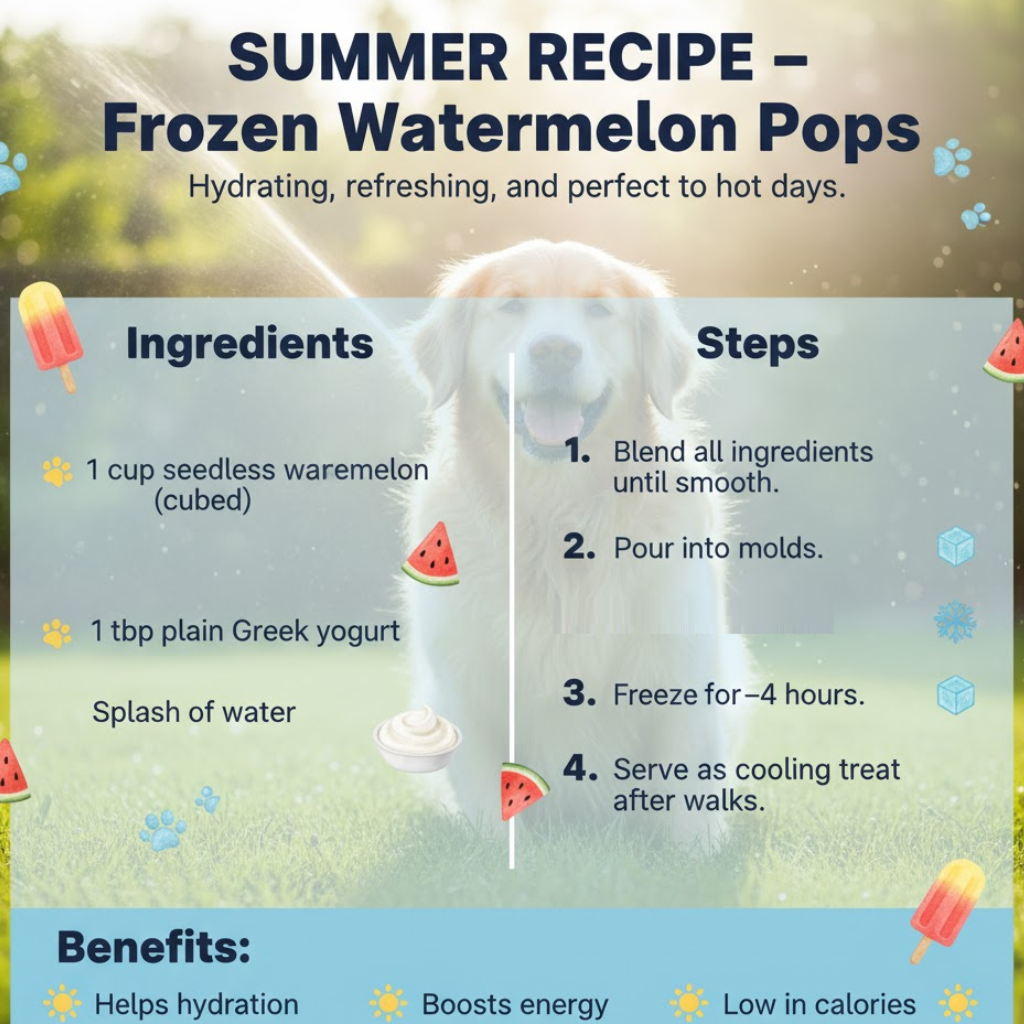
Summer’s heat makes water-rich fruits ideal for keeping your dog comfortable and hydrated. Use them as seasonal dog treats and cooling snacks that provide refreshment alongside nutrition. The abundance of berries, melons, and crisp vegetables during Canadian summers means you have access to the best fruits and veggies for dogs at affordable prices.
These hydrating options help prevent overheating while delivering essential vitamins and natural sweetness that most dogs love. When temperatures climb, fruits and veggies dogs can eat become more than snacks—they’re practical tools for managing heat and keeping your pup feeling good. The high water content in summer produce serves double duty—hydration and nutrition combined in every bite.

Fruits and veggies for dogs in summer like watermelon, cucumbers, and berries can be frozen for extended chewing enjoyment, making them perfect for hot days when your dog needs to cool down. These options work beautifully as natural dog treats that satisfy without adding excessive calories, supporting healthy weight management during the active summer months when dogs spend more time outdoors and need energy-efficient snacks. Choosing fruits and veggies dogs can eat during summer means prioritizing produce with the highest water content, giving your dog relief from the heat with every bite.
Here is a detailed list of safe summer fruits and veggies dogs can eat
| Produce | Type | Preparation / Notes | Key Benefits |
| Watermelon | Fruit | Remove rind and seeds, serve in small cubes | 92% water content for hydration, vitamins A, B6, C |
| Cantaloupe / melon | Fruit | Scoop out flesh, discard rind and seeds | Beta-carotene for coat health, vitamins A and C |
| Cucumbers | Vegetable | Peel if waxed, slice small pieces | Ultra-low calorie, hydrating, freshens breath |
| Zucchini | Vegetable | Steamed or raw, chopped | Vitamins C and B6, supports heart health |
| Raspberries | Fruit | Small serving, watch sugar content | Anti-inflammatory properties, fiber, vitamin C |
| Strawberries | Fruit | Washed, stems removed | Teeth whitening enzyme, antioxidants |
| Bell peppers | Vegetable | Remove seeds, chop (red/yellow/orange only) | Vitamin C boost, beta-carotene for immune support |
Fall: Harvest Flavours
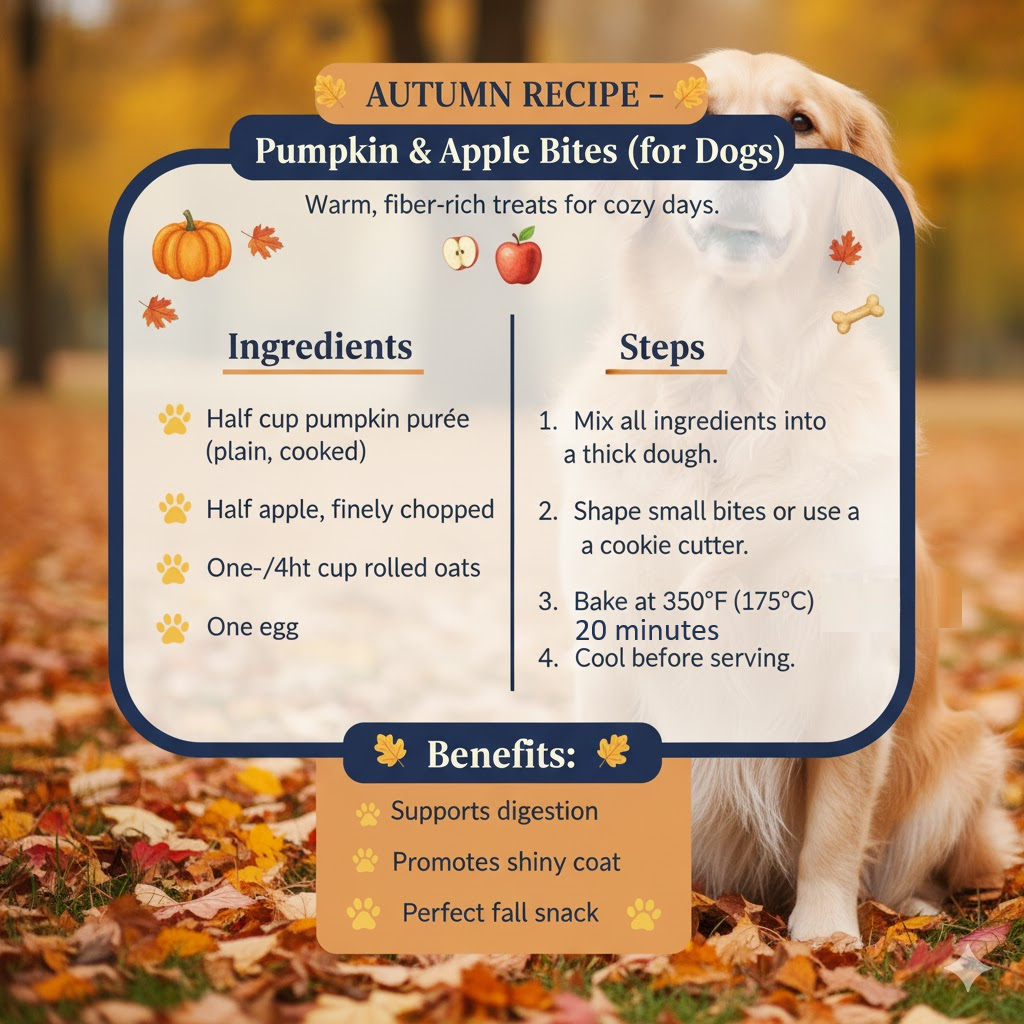
Fall brings hearty produce and deeper flavours as harvest season peaks across Canada. Knowing which fruits and veggies dogs can eat during fall means taking advantage of harvest season’s best offerings. Many of these can help with digestion and coat health as weather changes and dogs prepare for winter.
The nutrient-dense vegetables like pumpkin, sweet potatoes, and squash provide fiber that supports gut health while delivering vitamins that strengthen skin and coat. This season also offers some of the most beneficial dog-safe fruits options available throughout the year. The abundance of apples and pears at their peak sweetness, combined with hearty root vegetables, creates perfect opportunities for healthy homemade treats.
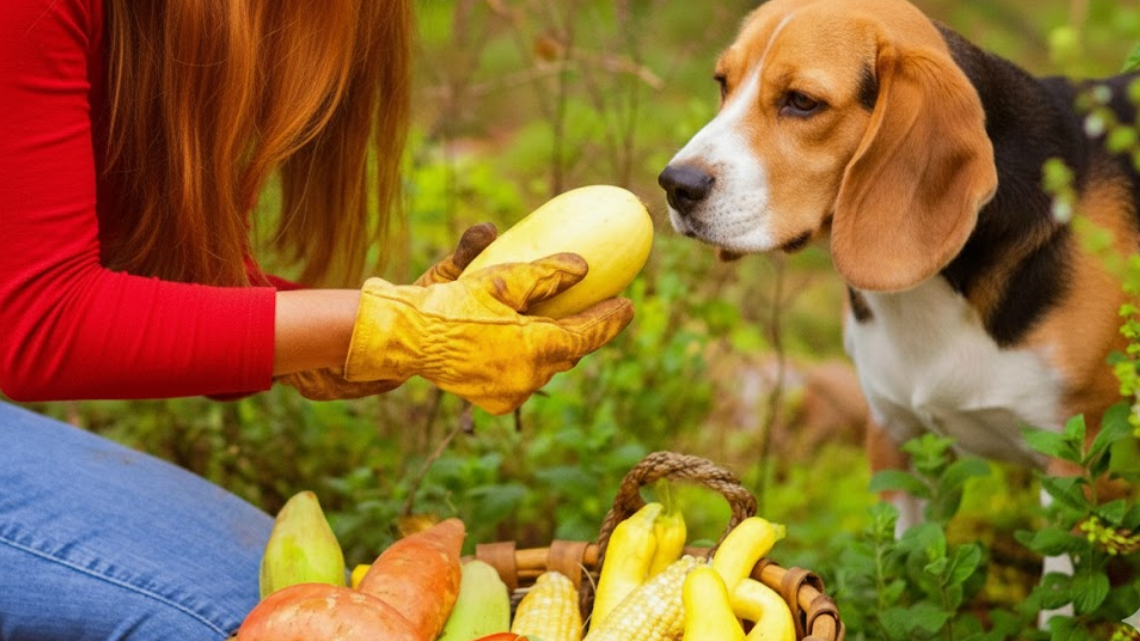
Fall’s selection of fruits and veggies dogs can eat provides variety that keeps meals interesting while delivering maximum nutrition. Fall produce also stores well, meaning you can stock up on these nutritious options to carry through early winter. The antioxidants and beta-carotene found in orange and red fall vegetables support immune function as temperatures drop and your dog’s body adjusts to seasonal changes.
Here is a detailed list of safe fall fruits and veggies dogs can eat
| Produce | Type | Preparation / Notes | Key Benefits |
| Pumpkin | Vegetable/Fruit | Cooked plain, mashed — very good for digestion | Soluble fiber for digestive health, vitamins A, C, E |
| Sweet potato | Vegetable | Cooked, peeled, diced or mashed | Beta-carotene for vision, vitamins C and B6, manganese |
| Pears | Fruit | Core and seeds removed, sliced | High fiber, vitamins C and K, copper |
| Cranberries | Fruit | Fresh or unsweetened dried, small portion | Urinary tract support, antioxidants, vitamin C |
| Beets | Vegetable | Cooked and peeled, small cubes | Folate, fiber, antioxidants (may color urine pink) |
| Spinach | Vegetable | Blanched, chopped (in moderation) | Iron, antioxidants, vitamins A, C, K |
| Butternut squash | Vegetable | Cooked, peeled, mashed | Vitamins A and C, potassium, fiber |
| Apples | Fruit | Core and seeds removed, sliced | Peak sweetness in fall, fiber, vitamins A and C |
Winter: Rooted Nourishment
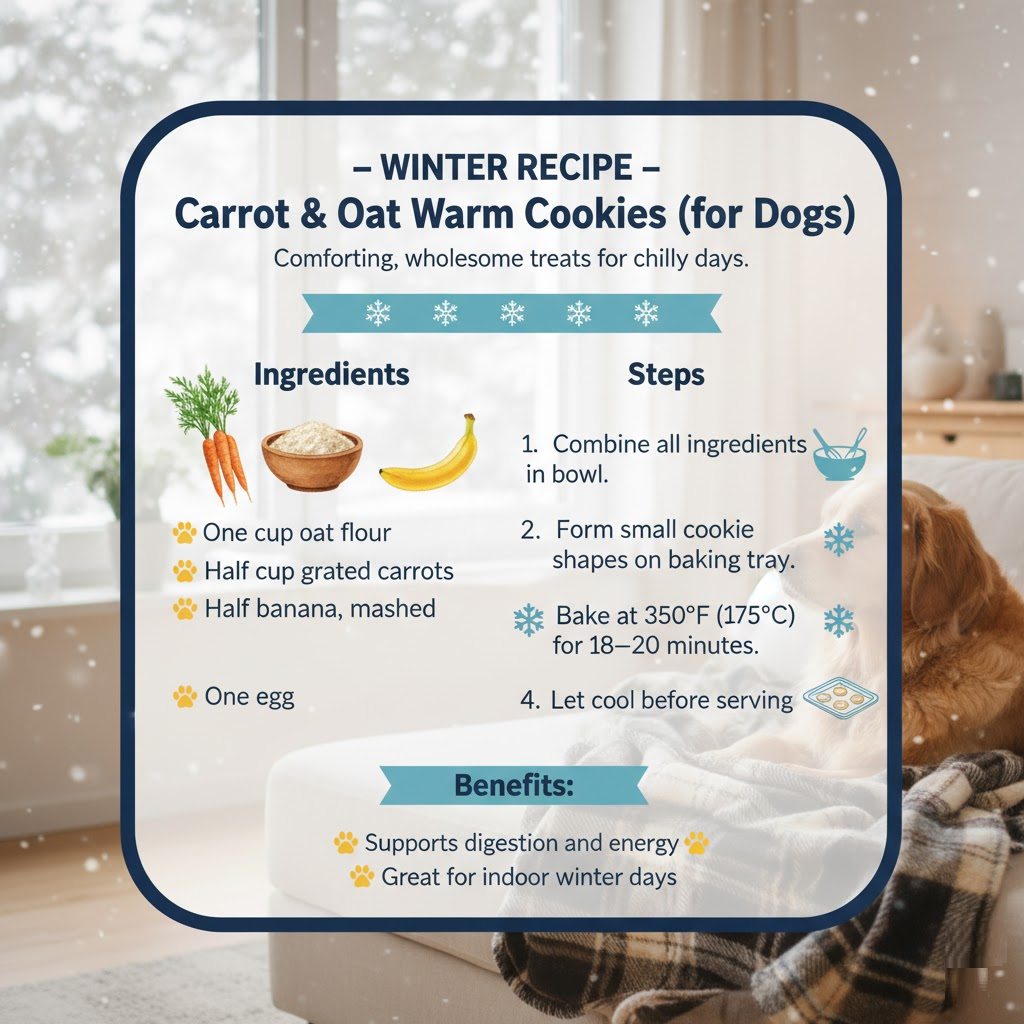
Winter’s limited fresh produce means root veggies and storage fruits become useful staples for maintaining dietary variety. Understanding which fruits and veggies dogs can eat during winter helps you maintain their health through the coldest season. During the coldest months, hardy vegetables that store well through winter provide consistent nutrition when fresh options are scarce.
Root vegetables like carrots, parsnips, and beets retain their nutritional value for months, making them reliable sources of vitamins and minerals even when snow covers the ground and local growing seasons have ended. Seasonal fruits for dogs during winter include cold-storage apples and frozen berries that maintain their health benefits while offering familiar flavors your dog enjoys.
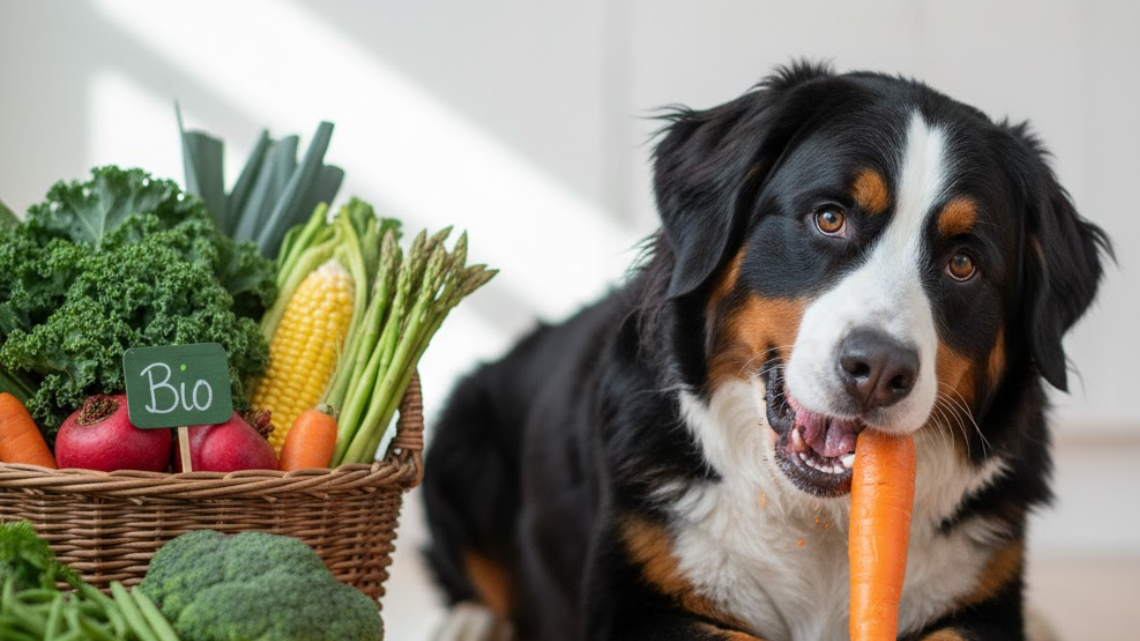
These healthy options may require more cooking and preparation than summer’s ready-to-eat choices, but they deliver essential nutrition that supports your dog’s health through the challenging winter months when outdoor activity may be limited and immune support becomes particularly important.
Here is a detailed list of safe winter fruits and veggies dogs can eat
| Produce | Type | Preparation / Notes | Key Benefits |
| Carrots | Vegetable | Steamed or raw, diced or whole | Dental health, beta-carotene, vitamins A and K |
| Apples | Fruit | Washed, cored, sliced (storage varieties) | Fiber, vitamins A and C, stores for months |
| Pumpkin | Vegetable/Fruit | Cooked pumpkin or canned plain puree | Digestive support, vitamins A, C, E, year-round staple |
| Sweet potato | Vegetable | Cooked, peeled, mashed or cubed | Beta-carotene, vitamins, energy support |
| Parsnips | Vegetable | Cooked thoroughly, sliced or mashed | Vitamins C, K, folate, similar to carrots |
| Bananas | Fruit | Peeled, sliced or mashed | Potassium, vitamins B6 and C (available year-round) |
| Frozen berries | Fruit | Thawed or served frozen | Retained antioxidants, vitamins from summer harvest |
What Fruits & Vegetables to Avoid
Before adding any produce to your dog’s diet, know which items are toxic. The ASPCA Animal Poison Control provides comprehensive guidance on people foods to avoid feeding your pets. What fruits are bad for dogs include:
- Grapes and Raisins: Highly toxic, causing kidney failure. Never feed in any amount.
- Avocado: Contains persin, toxic to dogs. All parts (flesh, pit, skin) are dangerous.
- Cherries: Pits contain cyanide. Flesh has too much sugar and a risk of pit ingestion.
- Citrus (in large amounts): Small amounts of orange flesh are safe, but excessive citrus causes stomach upset.
- Tomatoes (green parts and unripe fruit): Ripe red tomatoes in small amounts are safe, but green parts contain solanine.
What vegetables are bad for dogs include onions, garlic, leeks, chives, and mushrooms (wild varieties), all of which are toxic. For expert advice or help in case your dog eats something toxic, you can reach out to local vets and animal clinics in Canada anytime.
How to Add Fruits and Veggies Dogs Can Eat to Your Dog’s Diet

Feeding dogs fresh produce requires gradual introduction and proper preparation:
- Start Small: Introduce one new food at a time in tiny amounts. Monitor for digestive upset or allergic reactions over 24-48 hours.
- Wash Thoroughly: Remove pesticides and dirt from all produce, even organic options.
- Proper Preparation: Remove seeds, pits, cores, stems, and skins where indicated. Cook hard vegetables until soft.
- Appropriate Portions: Treats and additions should comprise no more than 10% of daily caloric intake. Healthy snacks for dogs supplement, not replace, balanced meals.
- Cut to Size: Prevent choking by cutting produce appropriate to your dog’s size. Small dogs need smaller pieces.
- No Seasonings: Never add salt, butter, oil, garlic, onion, or spices to produce intended for dogs.
How to add fruits and veggies to your dog’s diet can include mixing into regular meals, using as training treats, stuffing into puzzle toys, or creating healthy homemade dog treats with fruits and vegetables.
Recommended Reading: 10 Best Dog Breeds for Families – Doggy Deets
Conclusion
Feeding your dog healthy fruits for dogs and healthy veggies for dogs across seasons adds variety, nutrients, and joy to their diet. By choosing dog-safe fruits and vegetables, rotating through spring, summer, fall, and winter favorites, and using Canadian fruits for dogs when possible, you support dog nutrition Canada and your pup’s health.
Always introduce new foods slowly, avoid toxic ones, and keep these additions as supplements to a balanced dog diet. With careful planning, you can offer seasonal dog treats that both delight your pup and nourish them.
0 Comments